From Baroque to Rococo in France
Historical context
During the 17th and 18th centuries, France became one of the most influential centres of European art and culture. Artistic styles changed alongside political power, royal patronage, and the changing lifestyle of the French aristocracy.
Two important styles developed during this period: French Baroque and Rococo. Both were associated with wealthy patrons, but they differed in their appearance, atmosphere, and purpose.
French Baroque architecture often expressed the grandeur, authority, and power of the monarchy. Rococo, which emerged in the early 18th century, favoured elegance, delicate decoration, pastel colours, and scenes of aristocratic leisure.
Understanding the historical background helps explain why these two styles developed and what they reveal about French society.
The Reign of Louis XIV
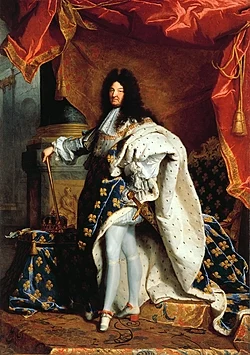
In the 17th century, France became a leading European political and cultural power. One of its most influential rulers was Louis XIV (1643–1715), known as the Sun King.
Louis XIV believed that art and architecture could demonstrate the strength and prestige of the monarchy. He supported artists, architects, and decorative arts, using them to create an impressive image of royal authority.
The Palace of Versailles became the most famous symbol of his reign. Its monumental architecture, grand interiors, and carefully designed gardens reflected the order, wealth, and power of the French court. Versailles was also a political centre where members of the aristocracy gathered around the king.
After Louis XIV died in 1715, aristocratic life increasingly moved towards private residences and more intimate social gatherings, particularly in Paris. This changing lifestyle helped encourage the development of Rococo, a style that placed greater emphasis on comfort, elegance, playful decoration, and the pleasures of everyday aristocratic life.
French Baroque reflected the authority of the monarchy, while Rococo expressed the more intimate and decorative tastes of the aristocracy.

French Baroque: Architecture and Royal Power
French Baroque developed during the 17th century, when the French monarchy used art and architecture to express its wealth, authority, and political influence. Although Baroque architecture in other European countries often emphasized dramatic movement and emotional intensity, the French version frequently combined grandeur with symmetry, balance, and Classical forms.
French architects drew inspiration from ancient Greek and Roman architecture. They used monumental scale, regular arrangements of columns, carefully proportioned façades, and clearly organized spaces to create buildings that appeared powerful and orderly.
The Eastern Façade of the Louvre
The eastern façade of the Louvre Palace in Paris was designed by a team led by Claude Perrault and built between 1667 and 1670.
Its design demonstrates the French preference for Classical order and symmetry. The long, balanced façade features regularly arranged columns and a monumental appearance. Rather than relying on highly irregular forms, it communicates authority through proportion, repetition, and harmony.
The Louvre façade is an important example of how French Baroque architecture incorporated Classical principles to express the dignity and power of the state.
François Mansart and Château de Maisons
François Mansart (1598–1666) was an influential French architect known for his balanced compositions and careful use of Classical forms. One of his important works is the Château de Maisons, now known as Château de Maisons-Laffitte.
The château demonstrates how French architecture combined impressive scale with harmonious proportions and relatively restrained decoration.
Mansart is also associated with the development and popularization of the mansard roof, a roof with two slopes on each side, with the lower slope steeper than the upper one. This design made attic spaces more practical and became an influential feature of French architecture.
The Palace of Versailles
The Palace of Versailles is the most famous architectural project associated with Louis XIV. Originally a hunting lodge, it was transformed into an enormous royal palace and became the centre of the French court and government.
Several important architects and designers contributed to its development:
-
Louis Le Vau directed major architectural expansions of the palace.
-
Jules Hardouin-Mansart designed important additions, including the Hall of Mirrors.
-
André Le Nôtre designed the formal gardens, using geometric patterns, long perspectives, fountains, and carefully arranged greenery.
The palace and its gardens were organized around symmetry, order, and monumental scale. Their design made the surrounding landscape appear controlled and carefully planned.
The Hall of Mirrors became one of Versailles's most celebrated interiors. Its mirrors, windows, decorative details, and impressive length created a luxurious setting for royal ceremonies and court life.
Versailles was more than a royal residence. It was also a political instrument. By bringing members of the aristocracy into the royal court and surrounding them with displays of wealth and ceremony, Louis XIV reinforced his authority and demonstrated the prestige of the French monarchy.
The Rococo aesthetic: Intimacy, elegance, and charm
What Was Rococo?
Rococo developed in France in the early 18th century and became especially popular during the reign of Louis XV (1715–1774). It reflected the changing tastes and social lives of the French aristocracy.
While French Baroque often emphasized royal authority, monumental architecture, and Classical order, Rococo favoured elegance, lightness, intimacy, and elaborate decoration. It was particularly suited to private residences, salons, and rooms designed for conversation and entertainment.
The term Rococo is associated with the French word rocaille, which refers to rockwork and shell-like ornament used in decorative design.
Main Characteristics of Rococo
Rococo can be recognized through several distinctive visual features:
-
Lightness and elegance: Compositions often feel delicate, graceful, and less formal than those of Baroque art.
-
Pastel colours: Soft pinks, blues, greens, cream, and gold create a light and luxurious atmosphere.
-
Curved and asymmetrical forms: S-curves, flowing lines, and irregular arrangements replace strict symmetry in many decorative designs.
-
Elaborate ornament: Shells, leaves, flowers, ribbons, and scrolling patterns cover walls, ceilings, furniture, and other surfaces.
-
Playful and intimate subjects: Paintings often depict love, mythology, music, gardens, fashionable clothing, and aristocratic leisure.
Rococo was not simply a decorative style. Its light-hearted and intimate character reflected the interests, social customs, and aspirations of the people who commissioned and enjoyed it.
Rococo Architecture and Interior Decoration
Rococo was especially influential in interior design. Instead of focusing only on monumental façades and grand public spaces, architects and decorators created elegant interiors intended for private life and social gatherings.
Rooms often featured:
-
Mirrors that reflected light and made spaces appear larger.
-
Gilded ornaments and elaborate wall panels.
-
Curved lines and asymmetrical decorative patterns.
-
Delicately carved furniture and decorative objects.
-
Light colour schemes combined with gold details.
These interiors were designed to feel comfortable, refined, and visually rich. They provided settings for conversation, music, entertainment, and social interaction.
This approach differed from the monumental spaces of Versailles, where the scale and formal arrangement of rooms emphasized the power and prestige of the monarchy. Rococo interiors placed greater emphasis on intimacy, comfort, and decorative elegance.
Main Idea: Rococo transformed aristocratic spaces through pastel colours, flowing curves, elaborate ornament, and a lighter, more intimate atmosphere.
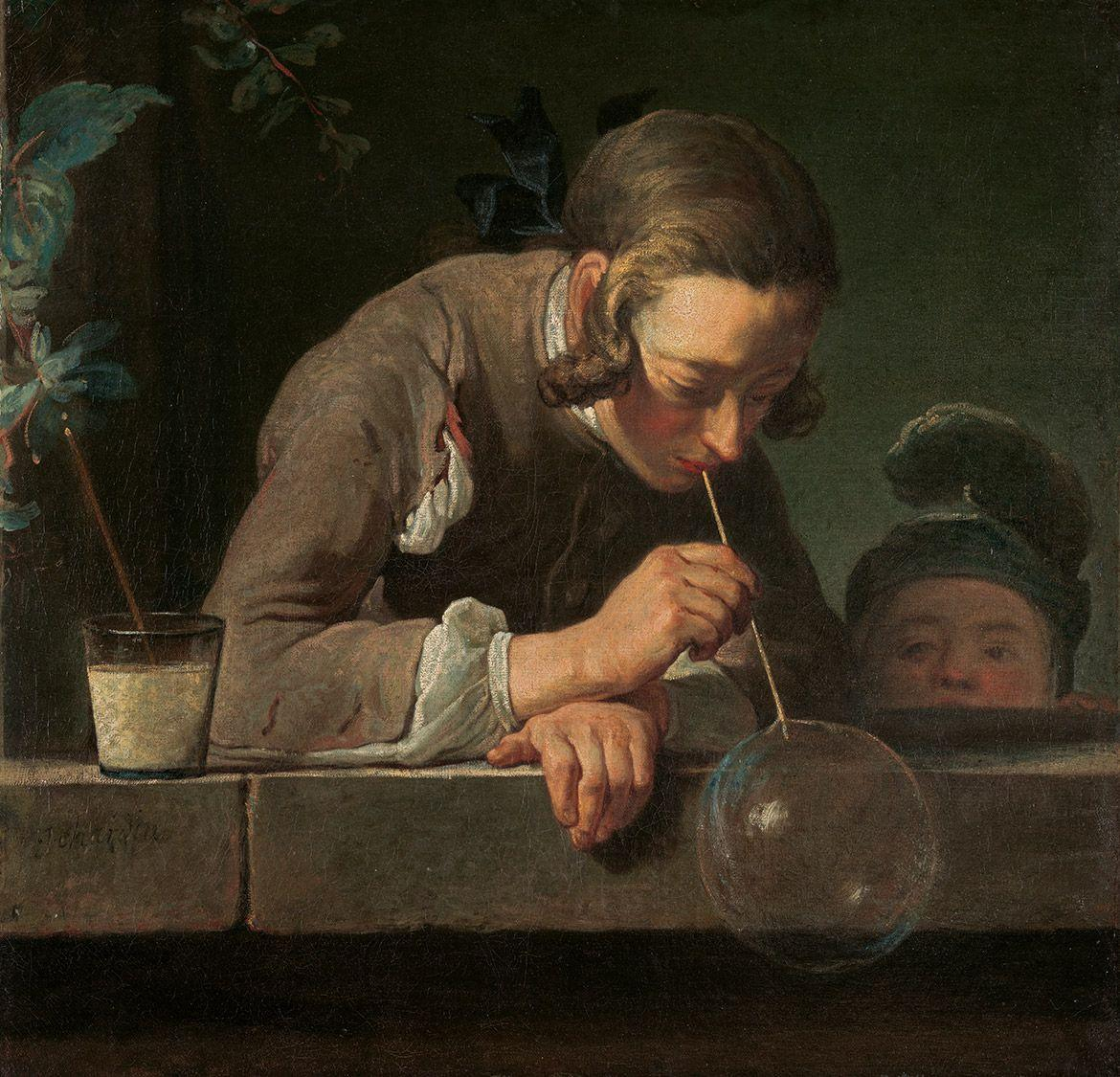
Rococo Painting: Watteau, Boucher, and Fragonard
Rococo painting captured the elegance, leisure, romantic interests, and imaginative world of the French aristocracy. Three important artists associated with this style were Antoine Watteau, François Boucher, and Jean-Honoré Fragonard.
Antoine Watteau (1684–1721)
Antoine Watteau was known for paintings that combined elegant figures, romantic atmosphere, and a poetic sense of uncertainty.
In Pilgrimage to Cythera, fashionable couples gather in a landscape associated with Venus, the goddess of love. Their graceful poses, elegant clothing, and dreamy surroundings create an atmosphere of romance and refined leisure.
The painting is characteristic of Rococo because it focuses on the pleasures and emotional subtleties of aristocratic life rather than monumental historical events or direct displays of political power.
François Boucher (1703–1770)
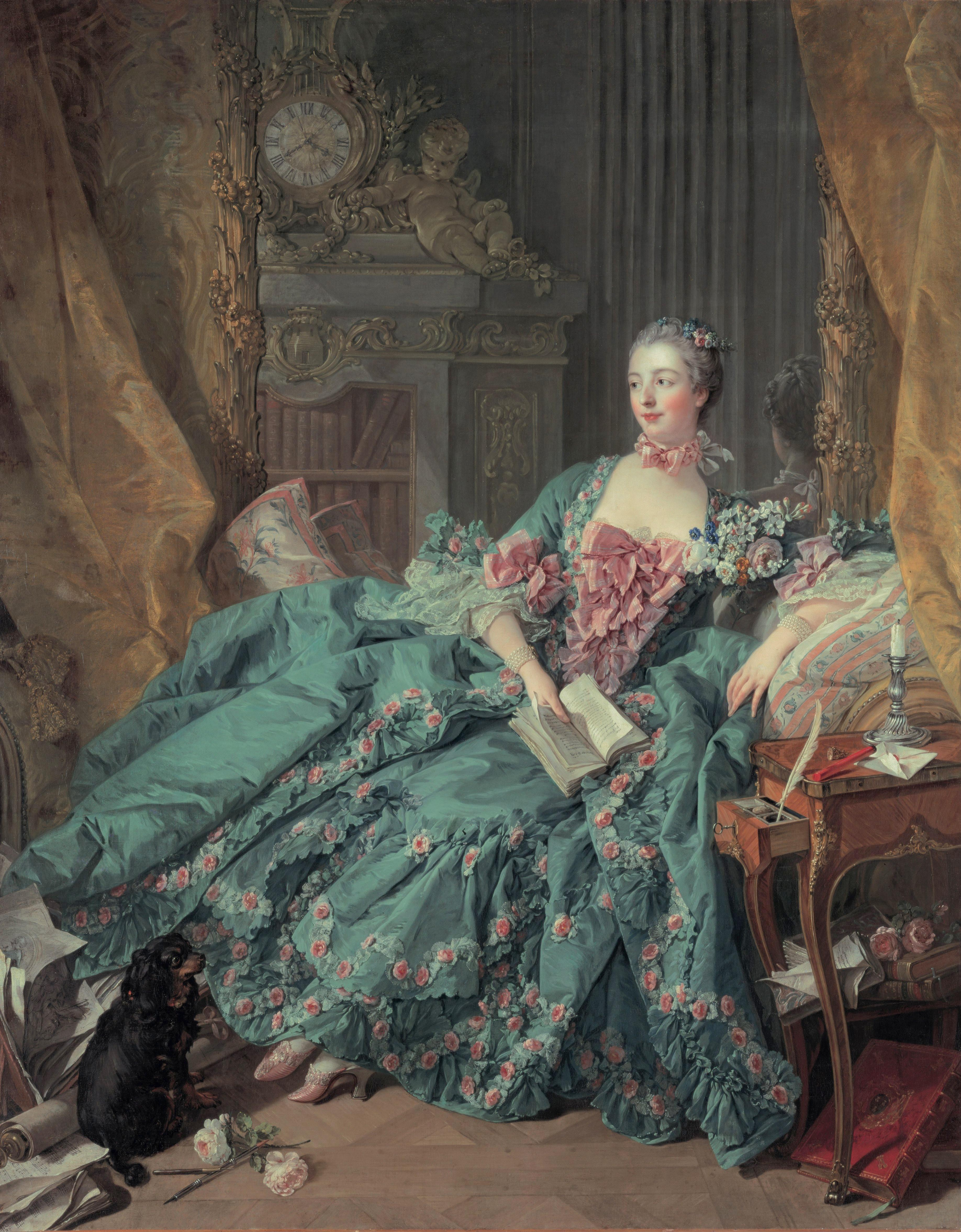
François Boucher became one of the most fashionable painters of the Rococo period. He was associated with the court of Louis XV and enjoyed the patronage of influential figures, including Madame de Pompadour.
His painting The Toilet of Venus presents the goddess of love in a luxurious, decorative setting. Soft colours, graceful figures, elaborate fabrics, and rich details create a sensual and elegant atmosphere.
Boucher frequently used mythological subjects to explore beauty, luxury, and pleasure. His paintings reflect the tastes of aristocratic patrons who valued refined decoration and imaginative scenes.
Jean-Honoré Fragonard (1732–1806)
Jean-Honoré Fragonard is known for paintings filled with movement, playful energy, romantic encounters, and lively brushwork.
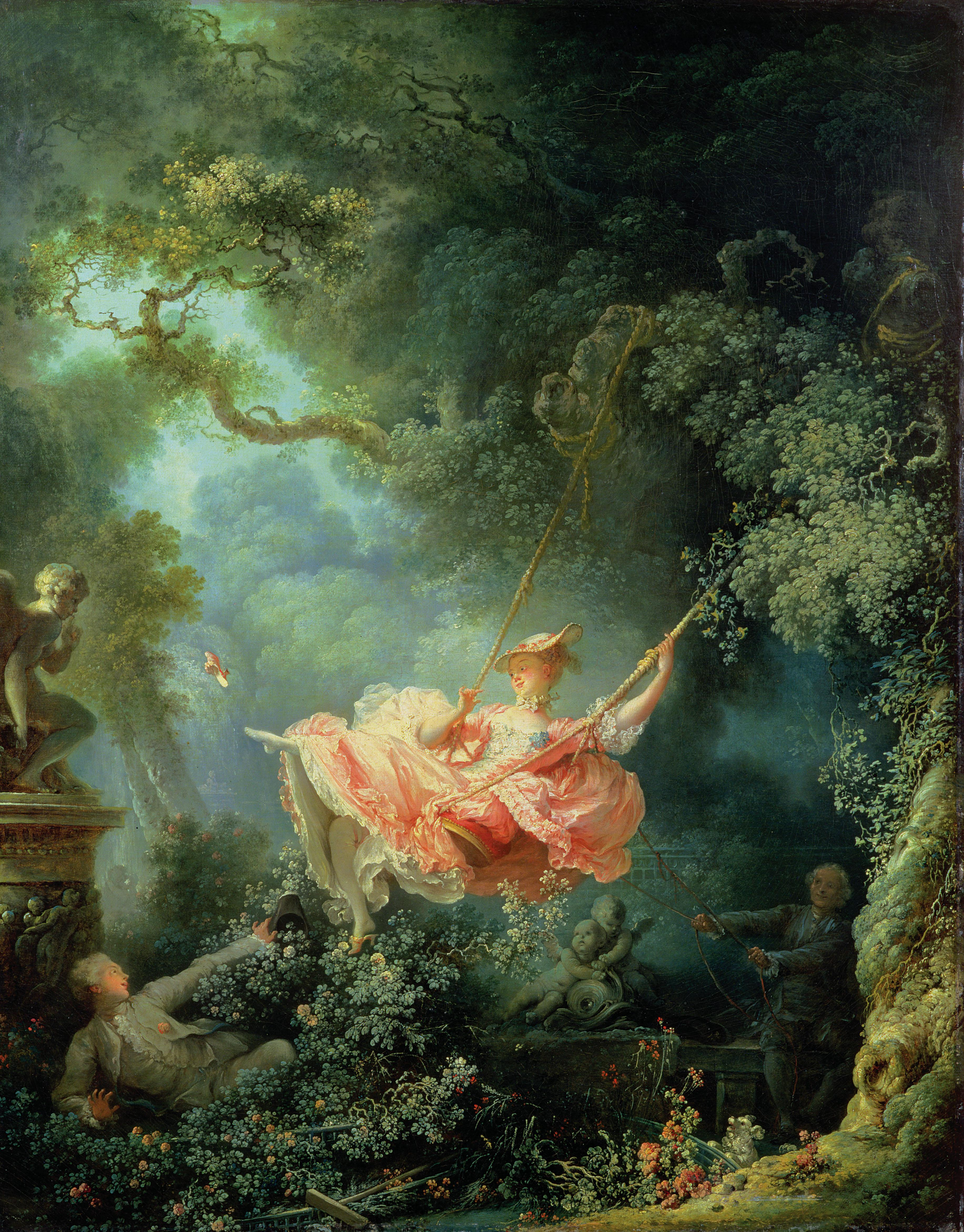
In The Swing, a young woman swings through a lush garden while a hidden admirer watches her. The composition, flowing movement, delicate colours, and playful subject capture the spirit of Rococo and its interest in flirtation and aristocratic leisure.
Fragonard's works often create a light-hearted, dreamlike atmosphere. Their subjects and visual qualities reflect Rococo's preference for pleasure, romance, and elegant entertainment.
Key terms
-
Baroque: An artistic style associated with grandeur, dramatic effects, rich decoration, and the expression of religious or political power.
-
Classicism: An approach inspired by ancient Greek and Roman art, emphasizing order, balance, proportion, and harmony.
-
Rococo: An 18th-century artistic style characterized by elegance, lightness, elaborate ornament, pastel colours, and playful or romantic themes.
-
Rocaille: A French term associated with shell-like and rockwork ornament that influenced Rococo decoration.
-
Aristocracy: The privileged social class traditionally associated with inherited status, wealth, and political influence.
-
Patron: A person or institution that supports artists by commissioning or financing their work.
-
Interior decoration: The design and ornamentation of indoor spaces, including walls, ceilings, furniture, and decorative objects.
-
Asymmetry: An arrangement in which the two sides of a composition are not identical or evenly balanced.
-
Absolute monarchy: A system of government in which a monarch holds extensive, centralized authority.
Create Your Own Website With Webador