Roman art and architecture
Historical context
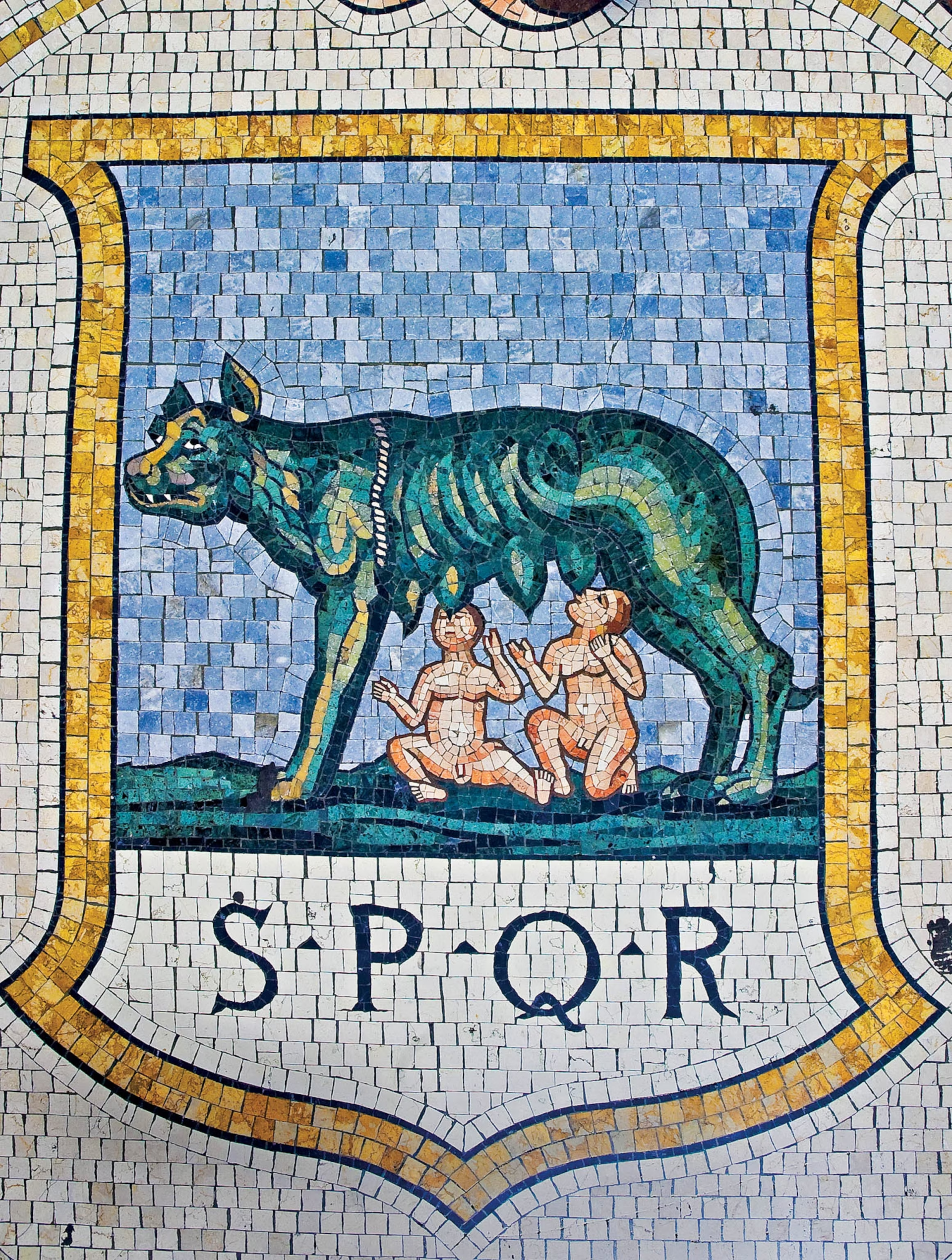
Roman civilisation developed on the Italian Peninsula. According to tradition, Rome was founded in 753 BCE. From a small city-state, it grew into a powerful republic and eventually a vast empire. Roman history is traditionally divided into three main periods:
-
Roman Kingdom: traditionally dated from the founding of Rome to 509 BCE.
-
Roman Republic: 509–27 BCE.
-
Roman Empire: began in 27 BCE, when Augustus became the first Roman emperor.
Roman art was strongly influenced by Greek and Etruscan traditions. The Romans admired Greek sculpture, architecture, and mythology, and they collected and copied many Greek works of art. From the Etruscans, they inherited important architectural traditions and religious practices.
However, Roman art also developed its own distinctive characteristics. Roman artists and architects became known for monumental public buildings, practical engineering projects, realistic portraiture, and historical reliefs that celebrated military victories and political achievements.
Art played an important role in Roman public life. Buildings, statues, and monuments demonstrated the power of the Roman state and communicated the authority and achievements of its leaders.

Roman Architecture
Roman architecture was known for its large scale, practical purpose, and engineering innovations. Roman builders used materials such as concrete and developed techniques that allowed them to construct large public buildings and spacious interiors.
Three important architectural features were the arch, vault, and dome. An arch transfers weight to its supporting structures. A vault extends the form of an arch to cover a larger space, while a dome forms a curved roof over a roughly circular area. Combined with concrete, these techniques made Roman architecture more flexible and ambitious.
The Romans built roads, bridges, aqueducts, public baths, amphitheatres, basilicas, temples, and public squares. These structures served practical needs while also demonstrating the power and organisation of the Roman state.
The Colosseum
The Colosseum in Rome was built between approximately 72 and 80 CE. It was a large amphitheatre used for public spectacles, including gladiatorial contests.
Its exterior features several levels of arches and engaged columns associated with the classical architectural orders. The building could accommodate large crowds, and its many entrances helped spectators enter and leave efficiently. The Colosseum demonstrates the Romans' ability to combine monumental design with practical engineering.
The Pantheon
The Pantheon in Rome is one of the most remarkable achievements of Roman architecture. The present building was constructed mainly during the reign of Emperor Hadrian in the early 2nd century CE.
Its most distinctive feature is a large concrete dome with a circular opening at its centre, called an oculus. The oculus allows natural light to enter the interior. The dome creates a unified interior space and demonstrates the Romans' advanced understanding of materials and construction.
Aqueducts and Roads
Roman engineers constructed an extensive network of roads and aqueducts. Roads supported travel, trade, and the movement of the army, while aqueducts transported water to cities and settlements.
The Pont du Gard in southern France, built in the 1st century CE, is a famous example of Roman aqueduct engineering. Its multiple levels of arches carried water across a valley. It demonstrates how Roman engineers used arches to build durable structures that served practical purposes.
Roman Sculpture and Portraiture
Roman sculpture was influenced by Greek artistic traditions, but Roman portraiture often placed greater emphasis on realistic details. Sculptors frequently represented wrinkles, lines, and other signs of age instead of making every face appear youthful and idealised.
This approach is known as verism. During the Roman Republic, realistic portraits could communicate experience, seriousness, and a sense of responsibility. These qualities were particularly valued in portraits of important citizens and political leaders.
Portraits of emperors, however, could present a different image. Emperors were often shown as youthful, strong, and idealised figures. Such representations helped communicate authority, stability, and political power.
Augustus of Primaporta
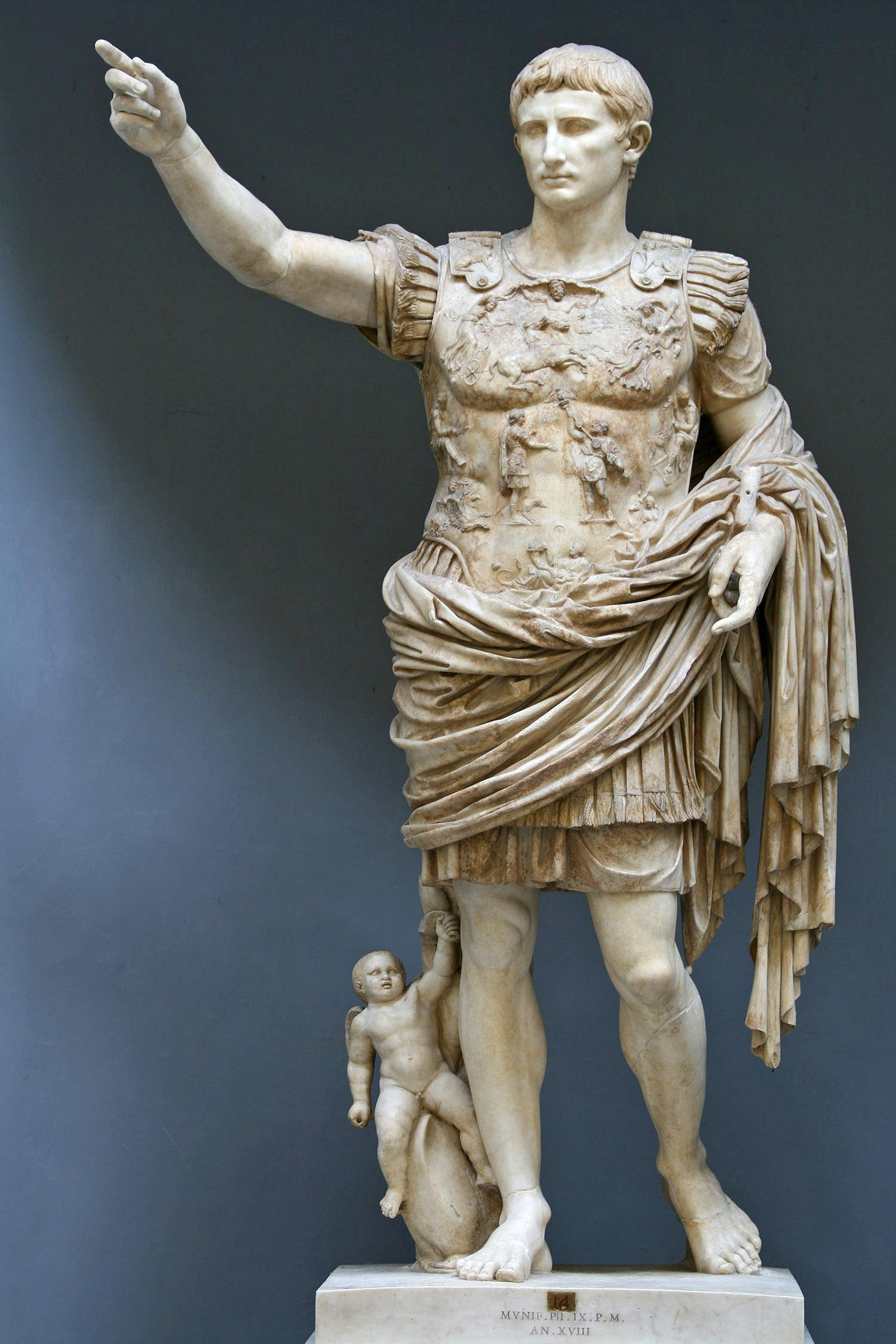
The Augustus of Primaporta is a marble statue of Emperor Augustus, created in the early 1st century CE. Augustus is shown wearing military armour and raising his right arm in a commanding gesture.
The decoration on his armour refers to his military and diplomatic achievements. His youthful appearance and balanced pose recall the ideals of Classical Greek sculpture.
Rather than showing Augustus as an ordinary individual, the statue presents him as an ideal ruler: powerful, confident, and capable of bringing stability and success to Rome. It demonstrates how Roman portraiture could combine artistic traditions with political messages.
Historical Reliefs and Imperial Propaganda
Roman relief sculptures often depicted historical events, military campaigns, public ceremonies, and the achievements of emperors. Unlike many Greek reliefs that represented mythological or religious subjects, Roman historical reliefs frequently showed identifiable people and events.
These monuments preserved the memory of important events while presenting them from the perspective of the Roman state. They communicated messages about military success, political authority, peace, and prosperity.
Ara Pacis Augustae
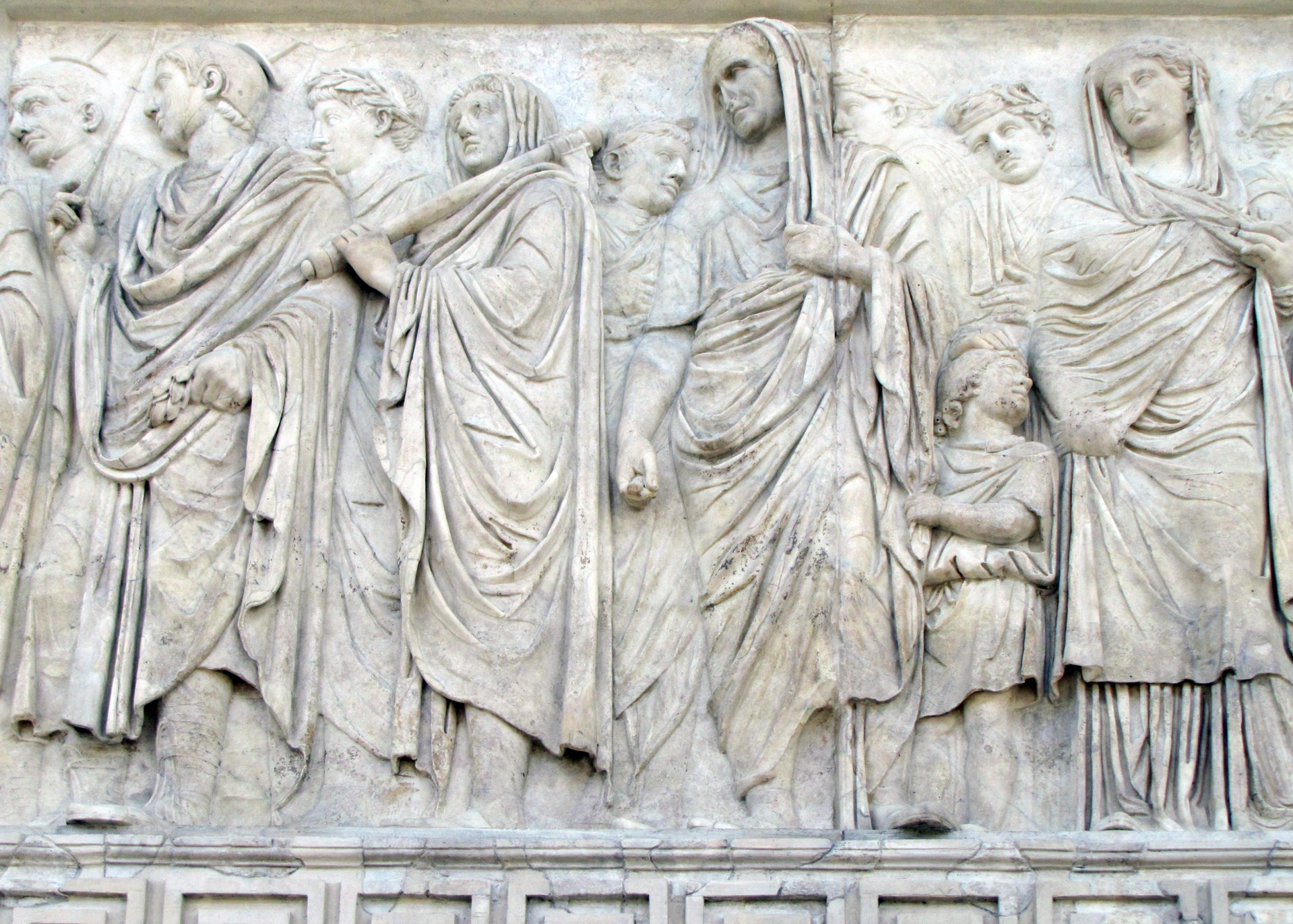
The Ara Pacis Augustae, or Altar of Augustan Peace, was commissioned by the Roman Senate in 13 BCE and dedicated in 9 BCE. It commemorated the peace and prosperity associated with the rule of Emperor Augustus.
Its reliefs include a procession featuring members of the imperial family and other important figures. The monument combines artistic influences from Greek relief sculpture with specifically Roman historical and political content.
The Ara Pacis had a religious purpose, but it also communicated a political message. It presented Augustus's rule as a source of peace, stability, and prosperity for Rome.
Trajan's Column
Trajan's Column, completed in 113 CE, commemorates Emperor Trajan's military campaigns against the Dacians.
A continuous spiral relief winds around the column, showing scenes of soldiers, battles, military activities, and the construction of military works. The detailed images provide information about the Roman army and its campaigns.
The column is both a historical monument and a form of imperial propaganda. It presents the emperor and the Roman army as successful, organised, and powerful, celebrating their achievements for future generations.
Roman Wall Painting and Mosaics
Roman houses were often decorated with wall paintings and mosaics. These decorations provide valuable information about Roman daily life, artistic preferences, and the social status of homeowners.
Wall Painting
Many Roman wall paintings have survived in Pompeii and other towns buried by the eruption of Mount Vesuvius in 79 CE.
Roman painters created decorative schemes that imitated marble, columns, and architectural features. Some paintings created the illusion of windows, openings, and distant spaces, making rooms appear larger. Other common subjects included landscapes, mythological scenes, still lifes, and human figures.
These paintings decorated domestic interiors and could communicate the wealth, taste, and cultural interests of the people who lived there.
Mosaics
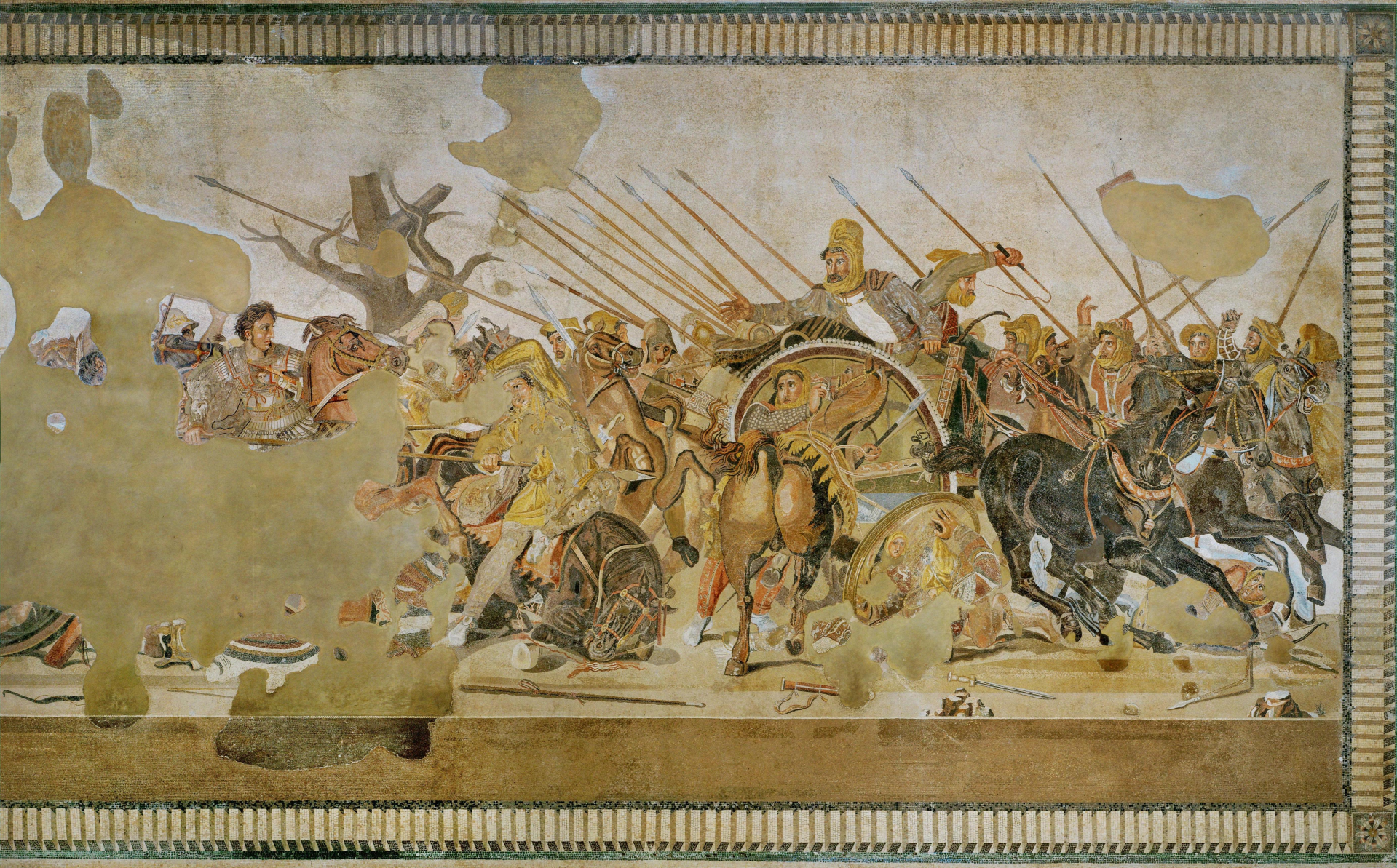
A mosaic is an image or pattern made from small pieces of coloured stone, glass, or other materials. Roman mosaics were used to decorate floors and walls.
Their designs included geometric patterns, animals, mythological scenes, and activities from everyday life. Mosaics could be both decorative and durable, making them especially suitable for floors in Roman buildings.
Together, wall paintings and mosaics reveal the importance of interior decoration in Roman life and show the variety of subjects Roman artists represented.
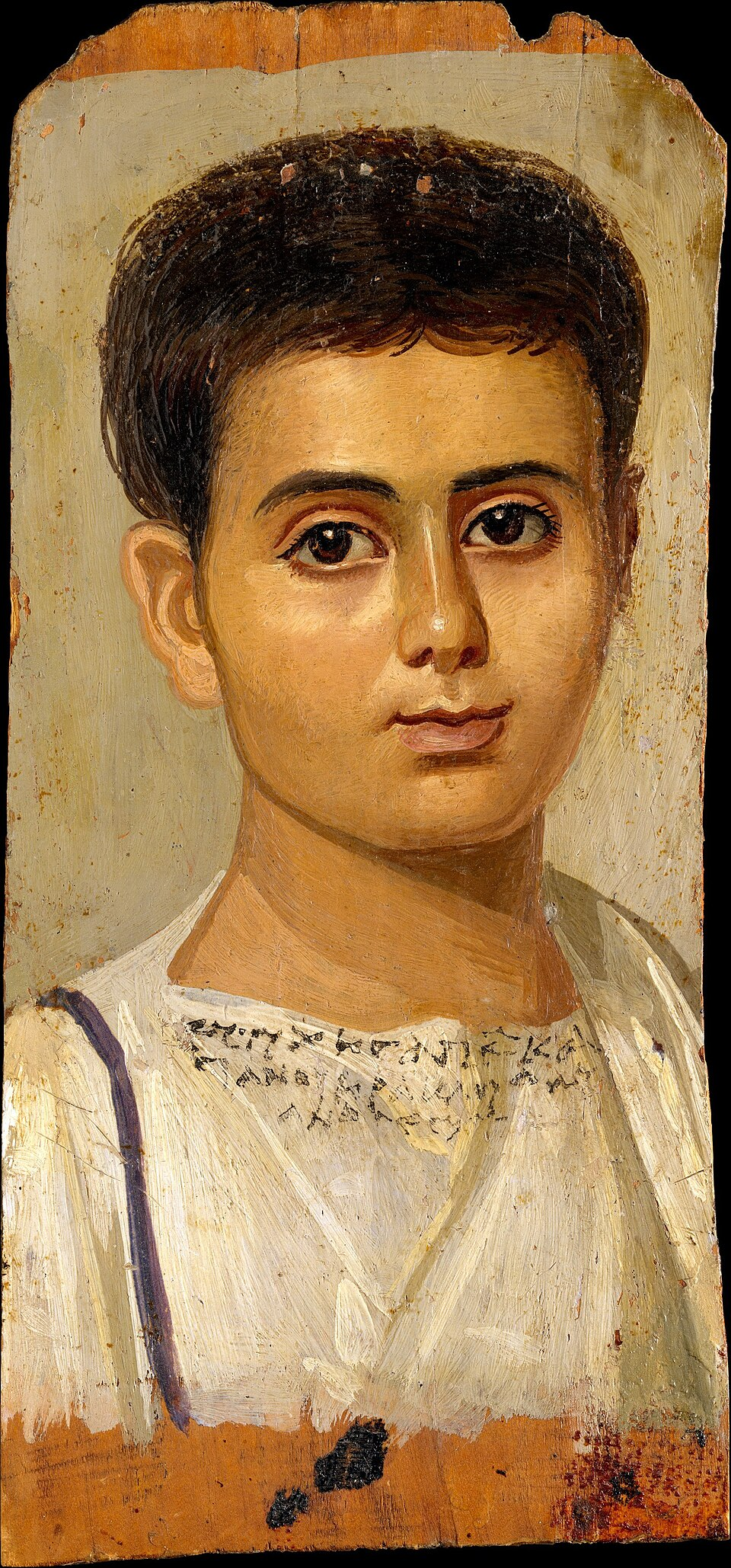
Fayum Mummy Portraits
Fayum mummy portraits were painted mainly between the 1st and 3rd centuries CE in Roman Egypt. These portraits were made on wooden panels and placed over the faces of mummies as part of funerary practices.
They combined Egyptian traditions of preparing the dead for burial with Greek and Roman approaches to portraiture. The paintings often show individual facial features, naturalistic details, and a sense of volume, making the people appear lifelike.
Fayum portraits demonstrate how different artistic and cultural traditions existed together within the Roman Empire. Although they were created in Egypt, they reflect the cultural exchanges that took place under Roman rule rather than the artistic traditions of ancient pharaonic Egypt alone.
Refresh Your Memory - Key terms
Republic – A form of government in which the state is not ruled by a king. In the Roman Republic, political power was shared among elected officials and other institutions.
Empire – A state that rules over a large territory and many different peoples, usually under the authority of an emperor.
Arch – A curved structure that transfers weight to its supports.
Vault – A structure formed by extending an arch to cover a space.
Dome – A curved roof that covers a roughly circular area.
Aqueduct – A structure or system designed to transport water from one place to another.
Amphitheatre – A large, open-air building with seating arranged around a central area for public spectacles.
Verism – A style of portraiture that emphasises realistic, sometimes unidealised features, including signs of age.
Relief sculpture – Sculpture in which figures project from a background surface.
Mosaic – An image or pattern made from small pieces of coloured stone, glass, or other materials.
Propaganda – Communication designed to influence people's opinions or support for a ruler, government, or political cause.
Create Your Own Website With Webador