Late Gothic art and Renaissance in Northern Europe
Historical context
During the fifteenth and sixteenth centuries, Renaissance ideas spread from Italy to Northern Europe. However, the Renaissance developed differently in different regions. While Italian artists drew inspiration from ancient Greek and Roman art, Northern European artists continued to use elements of the Late Gothic tradition while gradually adopting Renaissance ideas.
The Netherlands, especially the cities of Flanders, became important centres of trade, wealth, and artistic production. Wealthy merchants, religious institutions, and members of the nobility commissioned artworks for churches and private homes. Artists developed a distinctive style characterised by careful observation, realistic details, rich colours, and subtle effects of light.
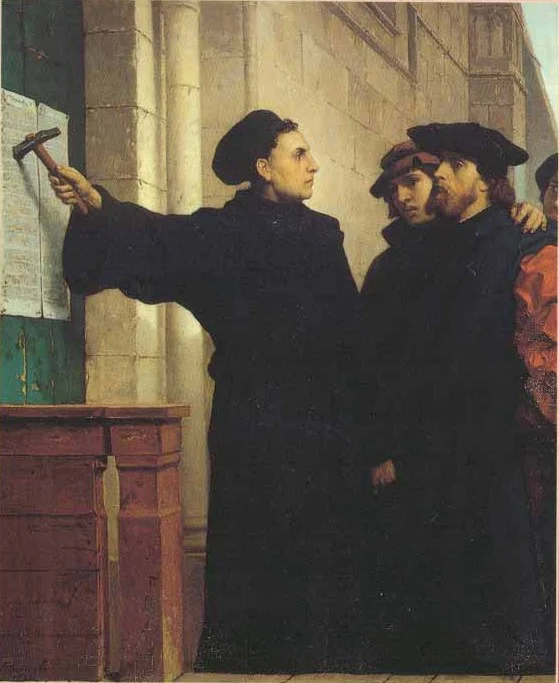
The Protestant Reformation was one of the most important historical developments of the sixteenth century. In 1517, Martin Luther publicly challenged certain practices of the Catholic Church, helping to initiate a movement that led to the establishment of Protestant churches. Religious divisions spread across Europe and influenced both society and artistic production.
In some Protestant regions, religious images were criticised or destroyed, and demand for traditional religious paintings and altarpieces declined. Artists increasingly worked on portraits, landscapes, scenes of everyday life, and paintings with moral meanings. However, religious art continued to be important in many regions, particularly in Catholic areas.
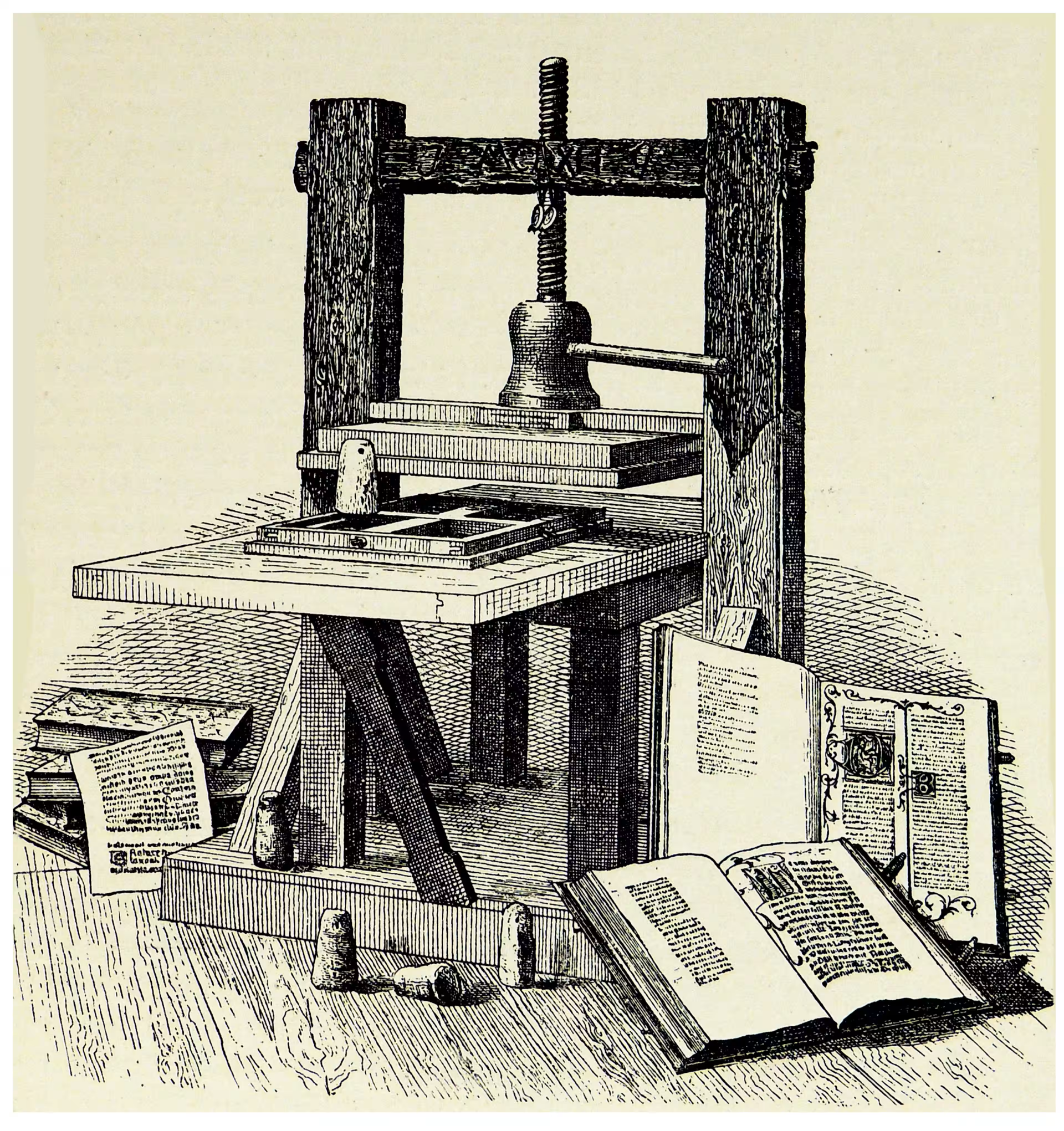
The spread of printing also helped new religious ideas and artistic knowledge circulate more widely. Although Northern European artists were influenced by Italy, they did not simply copy Italian art. They combined Renaissance ideas with their own artistic traditions and responded to the religious, social, and cultural changes of their time.
Early Netherlandish Painting
During the fifteenth century, painters in the Netherlands developed a distinctive style known for its realism and extraordinary attention to detail. They carefully represented human faces, fabrics, jewellery, furniture, buildings, and landscapes.
Oil painting played an important role in this development. Unlike tempera, oil paint allowed artists to create rich colours, subtle transitions of light and shadow, and finely detailed textures. These techniques helped painters represent the visible world with remarkable precision.
Jan van Eyck (c. 1390–1441)
Jan van Eyck was one of the most important painters of the Early Netherlandish Renaissance. He was known for his careful observation of nature, precise details, and ability to combine realistic objects with religious and symbolic meanings.
The Ghent Altarpiece (1432)
The Ghent Altarpiece, begun by Hubert van Eyck and completed by Jan van Eyck, is one of the most important masterpieces of Early Netherlandish painting. It was created for a church in Ghent, in present-day Belgium.
This large altarpiece consists of multiple panels filled with religious figures and scenes. The artists represented people, plants, landscapes, fabrics, and precious objects with extraordinary precision.
The work combines detailed observation of the natural world with a complex Christian subject. It demonstrates the importance of oil painting in Northern Europe and shows how realistic details could contribute to a larger spiritual meaning.
The Arnolfini Portrait (1434)
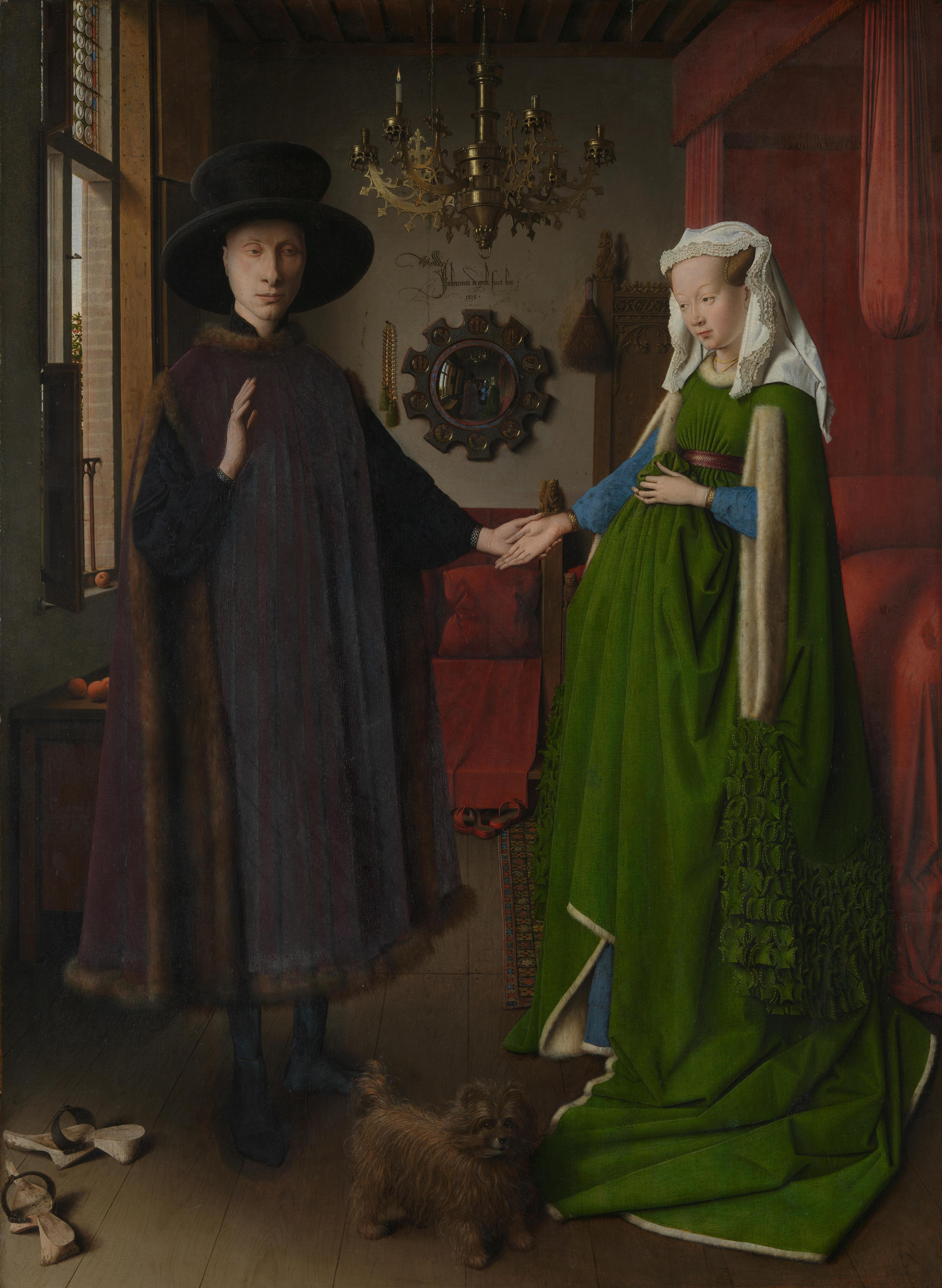
The Arnolfini Portrait depicts a man and a woman standing in a carefully represented domestic interior. Van Eyck paid close attention to their clothing, furniture, the chandelier, the window, and the objects surrounding them.
One of the most striking details is the small convex mirror on the back wall. It reflects the room from another viewpoint and reveals two additional figures. Above the mirror, Van Eyck included an inscription identifying himself and dating the painting to 1434.
The painting has often been interpreted as a marriage portrait, but its exact purpose and the relationship between the figures remain debated. Some objects may have symbolic meanings, although not every interpretation is certain.
The work demonstrates Van Eyck's ability to represent the visible world with great precision and encourages viewers to examine small details and consider their possible meanings.
Germany
During the fifteenth and sixteenth centuries, German artists combined the Northern European tradition of careful observation and attention to detail with new ideas from the Italian Renaissance. They explored proportion, perspective, the human body, and classical subjects while responding to the religious changes of the Reformation.
The development of printmaking was especially important in Germany. Prints could be reproduced and distributed widely, allowing artistic ideas to reach audiences across Europe.
Albrecht Dürer (1471–1528)
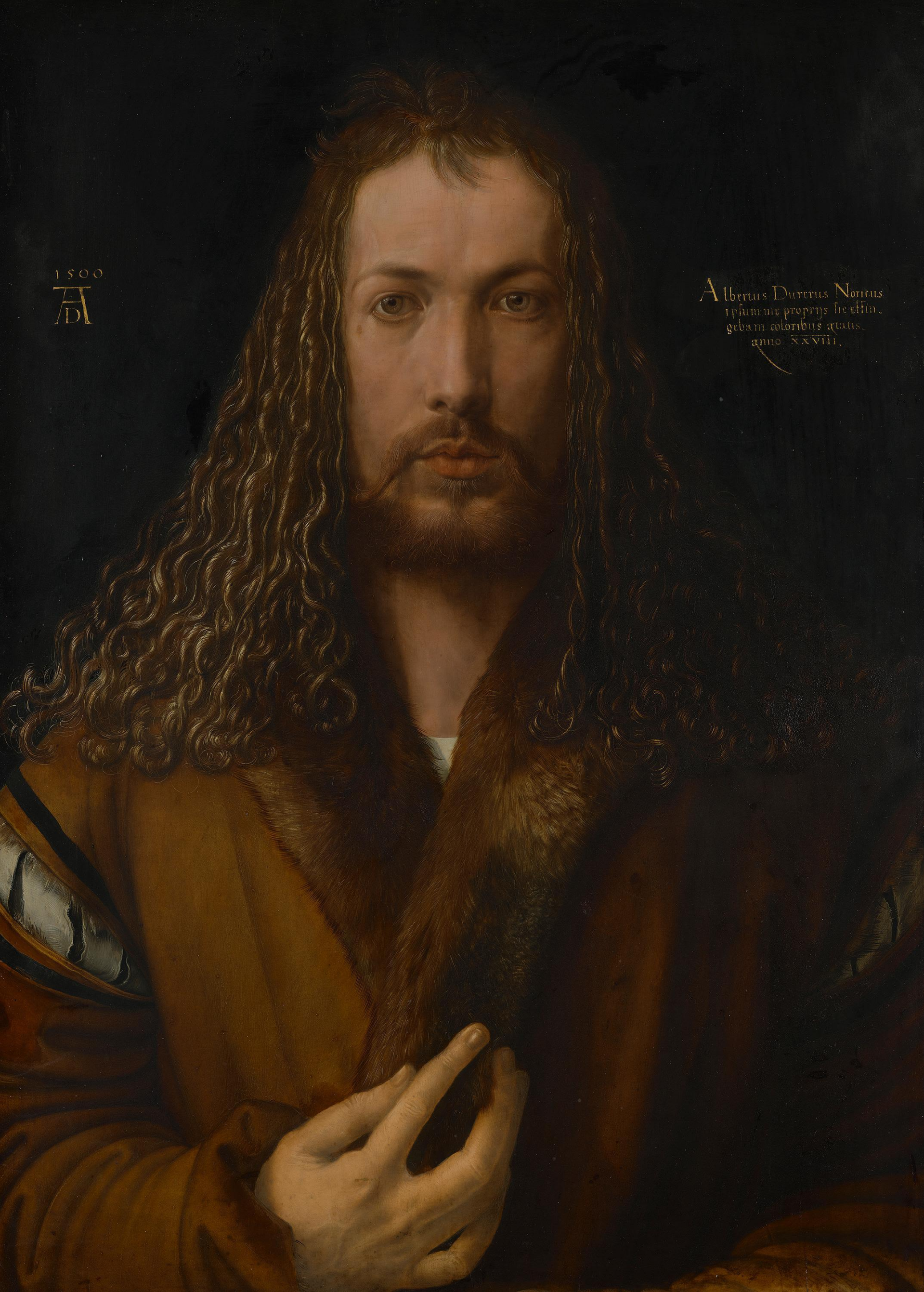
Albrecht Dürer was one of the most important German Renaissance artists. He travelled to Italy, where he studied Italian approaches to proportion, perspective, and the human body. He combined these ideas with the precise observation characteristic of Northern European art.
Dürer worked as both a painter and a printmaker. His prints helped spread Renaissance ideas and established his reputation beyond Germany.
The Four Apostles (1526)
The Four Apostles is a pair of panels depicting four apostles. The figures appear monumental and serious, while the inscriptions reflect religious debates during the Reformation.
The work demonstrates Dürer's interest in Renaissance artistic ideals and the religious concerns of his time.
Hans Holbein the Younger (c. 1497–1543)
Hans Holbein the Younger became famous for his portraits. He was particularly skilled at representing faces, clothing, jewellery, and other details with great precision.
Portrait of Henry VIII
Holbein's portrait of Henry VIII, the king of England, presents the ruler as powerful and authoritative. His frontal pose, richly decorated clothing, and imposing appearance communicate wealth, status, and political power.
Holbein's portraits show how art could record an individual's appearance while also presenting an image of authority and social position.
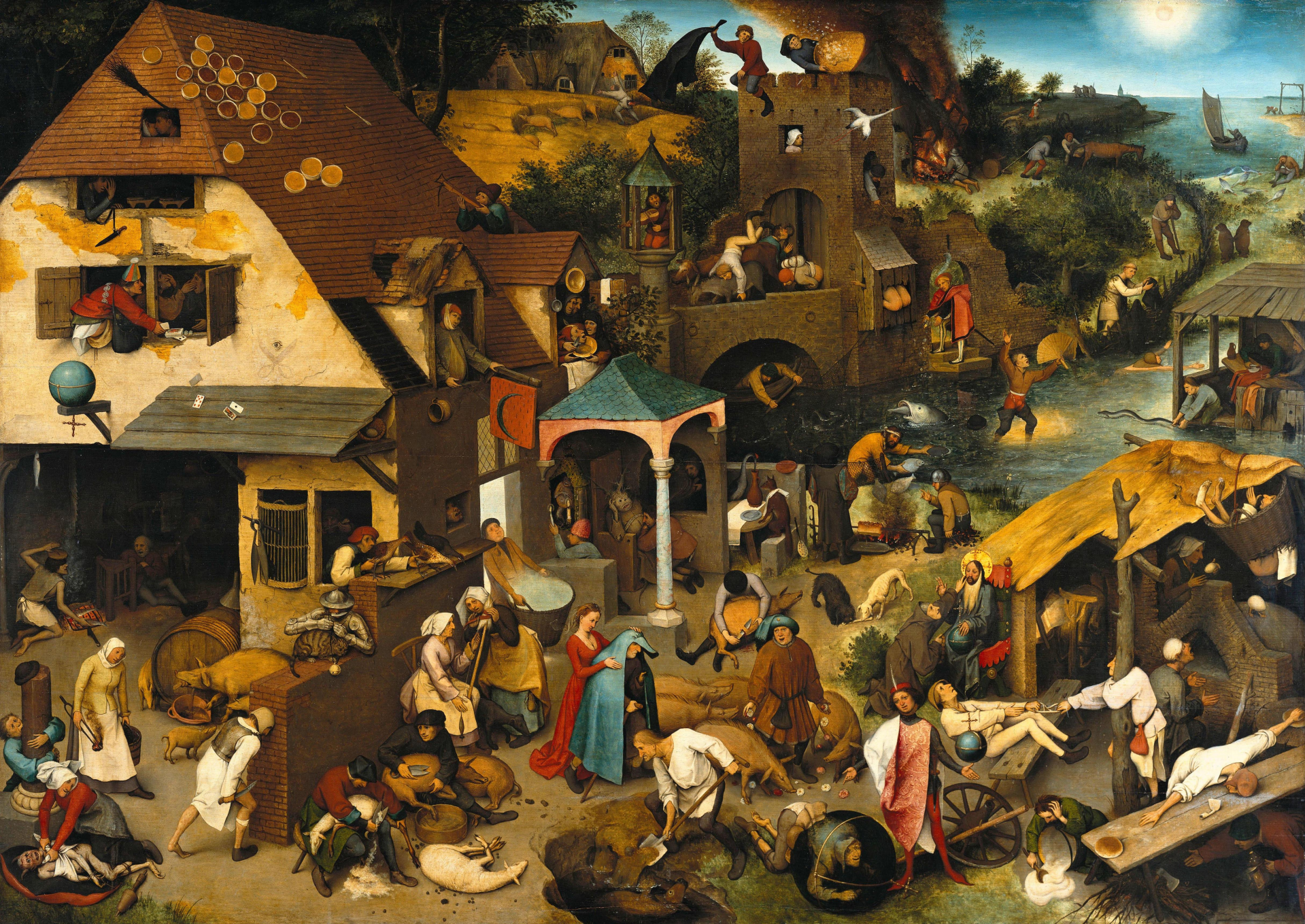
The Netherlands in the Sixteenth Century
During the sixteenth century, the Netherlands experienced religious conflict and political resistance to Habsburg rule. The Protestant Reformation challenged the authority of the Catholic Church and influenced artistic patronage. In some regions, the destruction of religious images reduced opportunities for artists to create traditional religious paintings and altarpieces.
As a result, painters increasingly explored other subjects, including landscapes, everyday life, market scenes, and paintings with moral messages. These subjects allowed artists to observe ordinary people and their surroundings while also commenting on human behaviour.
Pieter Aertsen (1508/1509–1575)
Pieter Aertsen was an important painter who helped develop the tradition of depicting food and everyday objects as prominent subjects.
The Meat Stall (1551)
The Meat Stall is dominated by a large display of meat and other food in the foreground. At first, the painting appears to show an ordinary market stall. However, smaller scenes in the background introduce religious and moral meanings.
The contrast between the abundance of food and the religious scenes encourages viewers to think about material wealth, charity, and Christian values.
The painting demonstrates how everyday objects could become the main focus of an artwork while still communicating a deeper message.
Pieter Bruegel the Elder (c. 1525/1530–1569)
Pieter Bruegel the Elder was one of the most important Northern European painters of the sixteenth century. He was known for his landscapes, scenes of rural life, and representations of ordinary people.
Bruegel carefully observed village activities, customs, and human behaviour. His paintings often contain many figures engaged in different activities, creating a broad picture of everyday life.
The Hunters in the Snow (1565)
This painting shows hunters returning to their village during winter. The landscape dominates the composition, while the people and animals form part of a larger natural environment.
The work demonstrates how landscape painting could present both the beauty of nature and the activities of ordinary people.
The Peasant Wedding (c. 1565)
The Peasant Wedding depicts a rural celebration with guests gathered for a meal. Bruegel carefully represents the people, their clothing, gestures, and interactions.
The painting provides a detailed view of village customs and social life.
The Blind Leading the Blind (c. 1568)
This painting depicts a group of blind men moving in a line, with one leading the others toward a ditch. It is based on a biblical saying and illustrates the dangers of ignorance and poor leadership.
Bruegel uses an everyday human situation to communicate a broader moral message.
Key characteristics of Northern Renaissance art
Italian Renaissance art often emphasised classical ideals, balanced compositions, and ideal proportions. Northern Renaissance art placed particular emphasis on detailed realism, textures, light, and the observation of the visible world. These are broad tendencies rather than absolute rules, because artists in both regions explored a variety of styles and subjects.
1. Realism and Attention to Detail
Northern Renaissance artists carefully observed the world around them. They represented faces, clothing, jewellery, furniture, buildings, and landscapes with great precision.
Jan van Eyck's The Arnolfini Portrait demonstrates this attention to detail through its carefully painted interior, fabrics, and convex mirror.
2. Oil Painting
Oil paint allowed artists to create rich colours, subtle transitions of light and shadow, and detailed textures. These qualities helped them represent materials such as fur, metal, glass, and fabric convincingly.
The Ghent Altarpiece is an important example of the possibilities of oil painting in Northern Europe.
3. Religious and Moral Meanings
Religious subjects remained important in Northern Renaissance art. Artists also used objects, figures, and everyday situations to communicate moral or symbolic meanings.
Pieter Aertsen's The Meat Stall combines a market scene with religious and moral ideas, while Pieter Bruegel the Elder's The Blind Leading the Blind presents a broader message about human behaviour.
4. Portraiture
Portraits became an important way to represent individuals and communicate their identity, wealth, status, or authority.
Hans Holbein the Younger's portrait of Henry VIII presents the English king as a powerful ruler through his pose, clothing, and imposing appearance.
5. Everyday Life and Landscape
During the sixteenth century, artists increasingly depicted ordinary people, village celebrations, markets, and rural activities. Landscapes also became important subjects in their own right.
Pieter Bruegel the Elder's The Hunters in the Snow shows how people and their activities could be integrated into a carefully observed natural environment.
6. Influence of the Italian Renaissance
Northern European artists adopted selected Italian Renaissance ideas about proportion, perspective, and the human body. However, they combined these ideas with local traditions rather than simply copying Italian art.
Albrecht Dürer's work demonstrates this combination of Italian influence and Northern European attention to detail.
Key terms
1. Naturalism
The representation of people, objects, and the natural world through careful observation of visible details.
Example: Jan van Eyck's The Arnolfini Portrait shows naturalism through its detailed representation of clothing, furniture, and other objects.
2. Oil Painting
A painting technique that uses pigments mixed with oil, allowing artists to create rich colours, subtle transitions of light and shadow, and detailed textures.
3. Altarpiece
A work of art placed on or behind an altar, often consisting of one or several painted or sculpted panels.
Example: The Ghent Altarpiece by Hubert and Jan van Eyck.
4. Symbolism
The use of objects, figures, or actions to communicate meanings beyond their literal appearance.
Example: In Northern Renaissance paintings, everyday objects could suggest religious or moral ideas.
5. Patronage
Financial or material support given to artists by individuals, institutions, or rulers.
Example: Wealthy merchants, religious institutions, and members of the nobility commissioned artworks during the Northern Renaissance.
Create Your Own Website With Webador