High Renaissance in Italy
Historical context
The High Renaissance was the peak of Renaissance art in Italy, lasting approximately from 1490 to 1520. During this period, artists aimed to achieve ideal beauty, harmony, balance, and perfection in their works.
Rome became a major artistic centre, alongside Florence. Powerful popes, wealthy families, and the Catholic Church commissioned artists to create paintings, sculptures, and monumental buildings. This support, known as patronage, allowed artists to undertake ambitious projects.
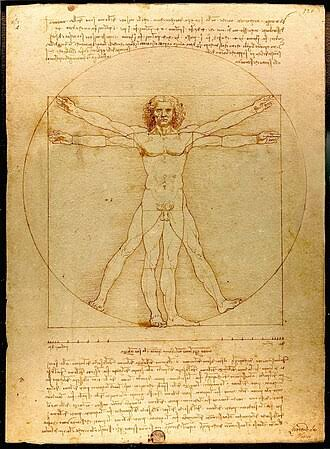
Humanism continued to influence artistic development. Artists studied ancient Greek and Roman art, human anatomy, mathematics, and nature. They combined these interests with advanced techniques to create convincing figures and carefully balanced compositions.
Artists such as Leonardo da Vinci, Michelangelo, and Raphael became celebrated for their creativity and skill. During the High Renaissance, artists increasingly gained recognition as intellectuals and exceptional individuals, rather than being viewed only as skilled craftspeople.
Main Characteristics of High Renaissance Art
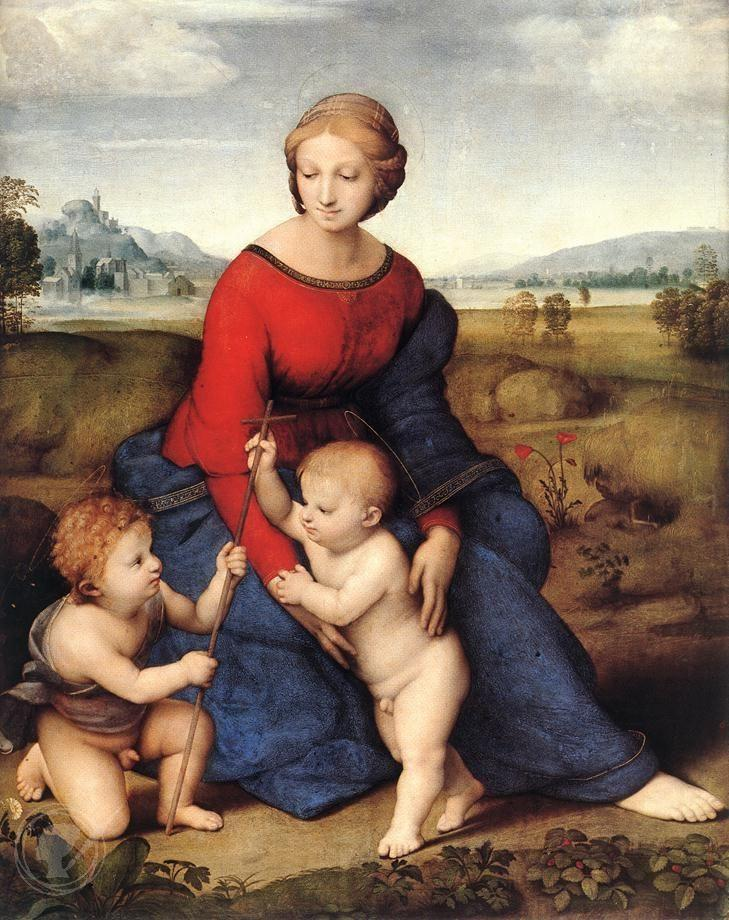
High Renaissance art is known for its harmony, balance, ideal beauty, and technical mastery. Artists aimed to create works in which every element appeared carefully organised and connected.
Idealised Beauty: Artists represented the human body with balanced proportions and harmonious forms, often presenting an ideal of physical perfection.
Balance and Harmony: Figures and objects were arranged to create stable, unified compositions. Triangular compositions were frequently used to guide the viewer's attention and create a sense of order.
Realistic Anatomy: Artists studied the human body to represent muscles, movement, and proportions more convincingly.
Perspective and Space: Linear perspective helped artists create the illusion of three-dimensional space, making painted scenes appear deep and realistic.
Light and Shadow: Artists used light and shadow to give figures volume and make them appear solid. Leonardo da Vinci developed sfumato, a technique that creates soft transitions between colours and tones without sharp outlines.
Classical Inspiration: Ancient Greek and Roman art inspired artists to explore ideal proportions, harmony, and the beauty of the human figure.
Although religious subjects remained important, artists also explored classical mythology, philosophy, and human achievement.
Painting
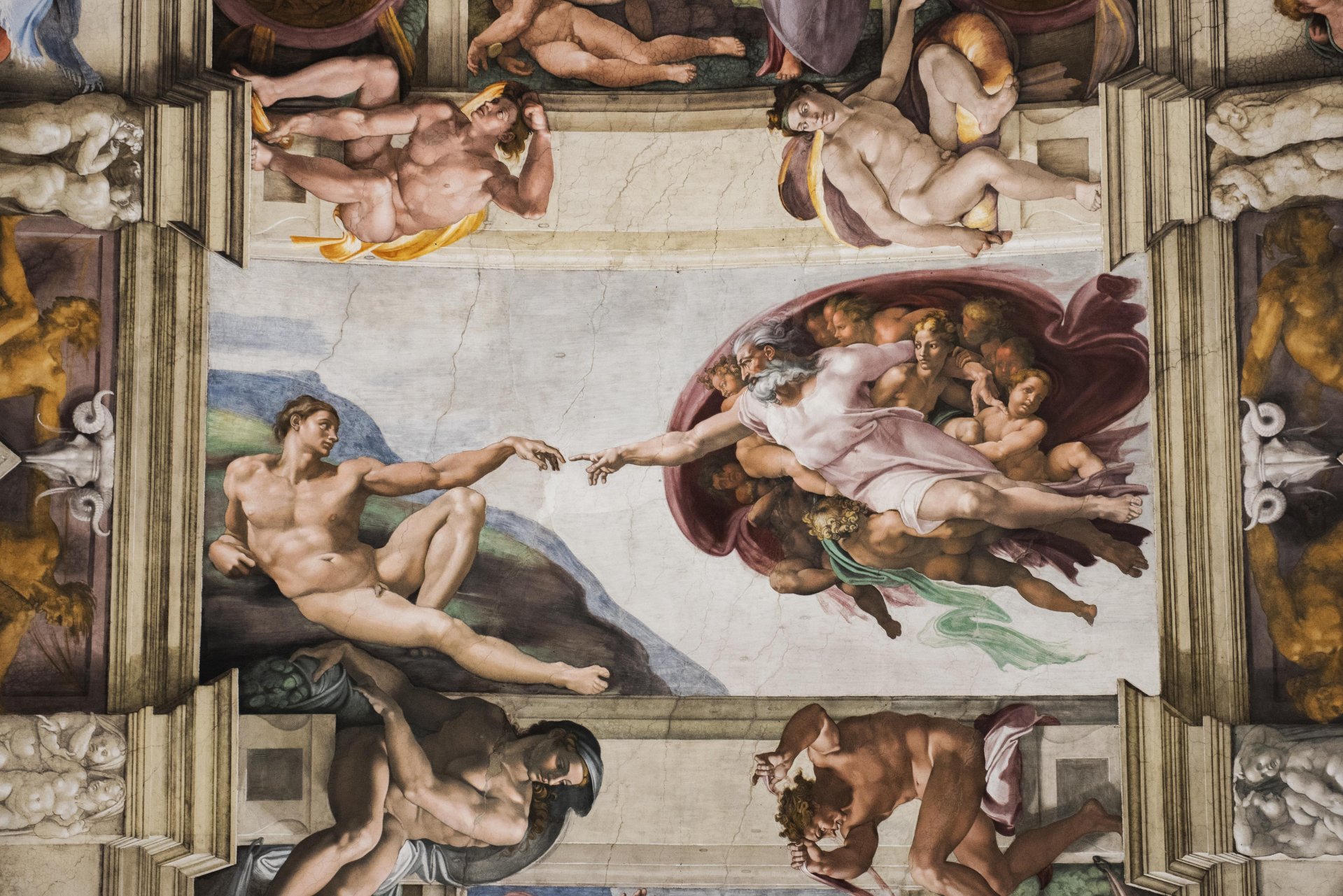
High Renaissance painting combined realistic representation with ideal beauty, balanced compositions, and sophisticated techniques. Artists carefully organised figures and space, studied human anatomy, and used light and shadow to create a convincing sense of volume.
Leonardo da Vinci (1452–1519)
Leonardo da Vinci was a painter, scientist, and inventor whose curiosity about nature and the human body influenced his art. He carefully observed anatomy, light, and human expressions.
The Mona Lisa is famous for the subject's mysterious expression and Leonardo's subtle use of light and shadow. He used sfumato, a technique that blends colours and tones gradually, creating soft transitions without sharp outlines.
The Last Supper (c. 1495–1498)
This mural depicts Jesus sharing his final meal with his disciples. Leonardo used linear perspective to direct attention towards Christ and create the illusion of depth. The disciples' varied gestures and expressions communicate their emotional reactions to his announcement that one of them will betray him.
Raphael (1483–1520)
Raphael was admired for his harmonious compositions, graceful figures, and balanced arrangements. His paintings combine clarity, ideal beauty, and a strong understanding of perspective.
The School of Athens (c. 1509–1511)
This fresco in the Vatican depicts famous philosophers of ancient Greece gathered in an impressive architectural setting. Figures associated with philosophy, mathematics, and other fields of knowledge appear in a carefully balanced composition.
The painting reflects the Renaissance interest in classical learning and humanism. Raphael uses perspective to create a convincing sense of space and organises the figures into a harmonious whole.
Sculpture
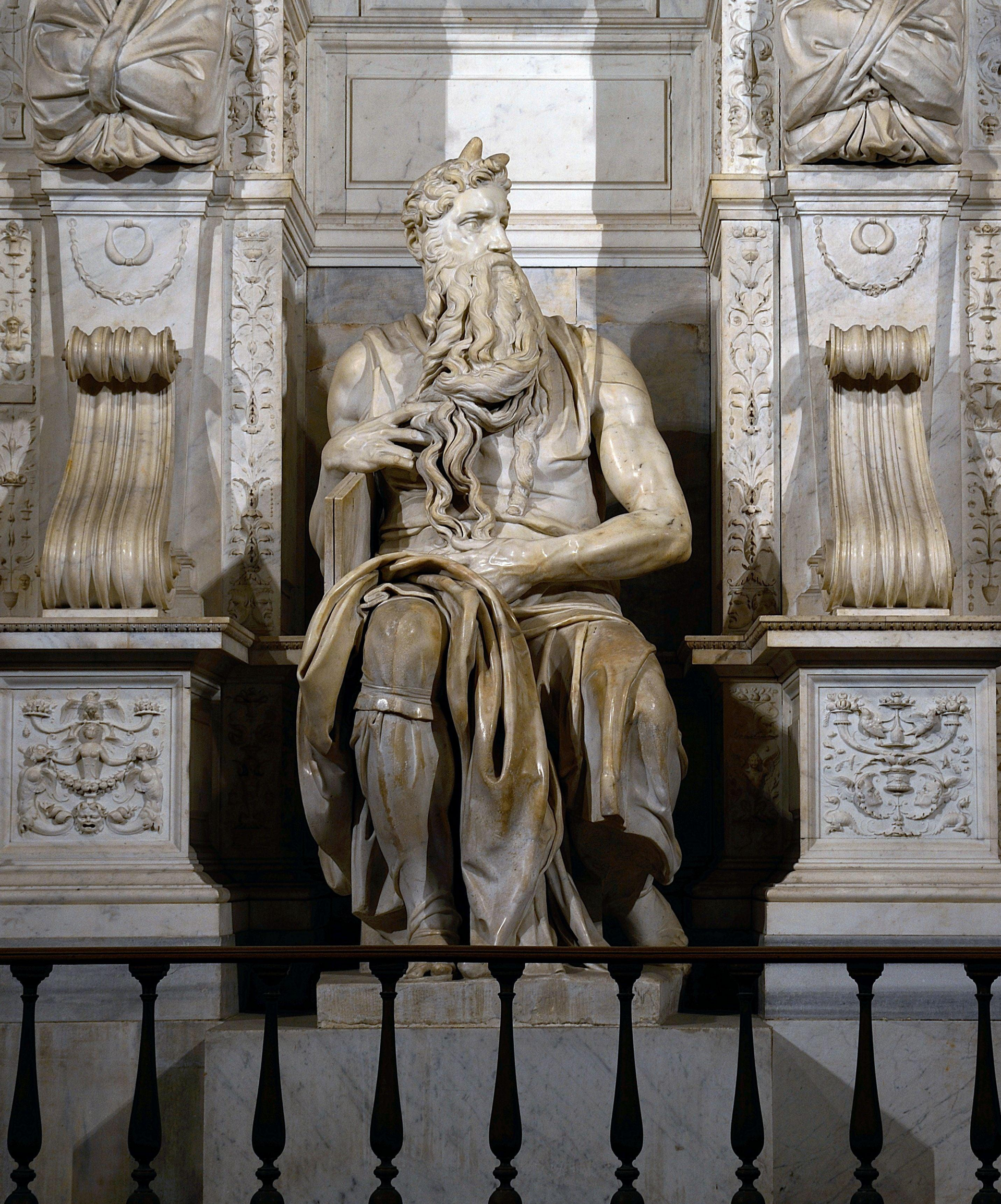
High Renaissance sculpture aimed to represent the human body with ideal proportions, anatomical accuracy, and a powerful sense of movement. Sculptors studied ancient Greek and Roman statues and sought to combine realistic details with idealised beauty.
Michelangelo (1475–1564)
Michelangelo was one of the greatest artists of the High Renaissance. He was a sculptor, painter, and architect whose works demonstrate his deep understanding of human anatomy and the expressive power of the human body.
David (1501–1504)
Michelangelo's marble statue David represents the biblical hero before his battle with Goliath. Unlike earlier representations that often showed David after his victory, Michelangelo depicts him in a moment of concentration and anticipation.
The statue is famous for its idealised proportions, detailed anatomy, and powerful expression. David's weight rests mainly on one leg, creating a natural shift in the hips and shoulders. This pose is known as contrapposto, a technique inspired by ancient Greek sculpture.
Standing over five metres tall, David became a symbol of Florence and an outstanding example of High Renaissance sculpture.
The Pietà (1498–1499)
Michelangelo's Pietà depicts the Virgin Mary holding the dead body of Jesus after the Crucifixion. Carved from marble, the sculpture combines idealised forms
Architecture
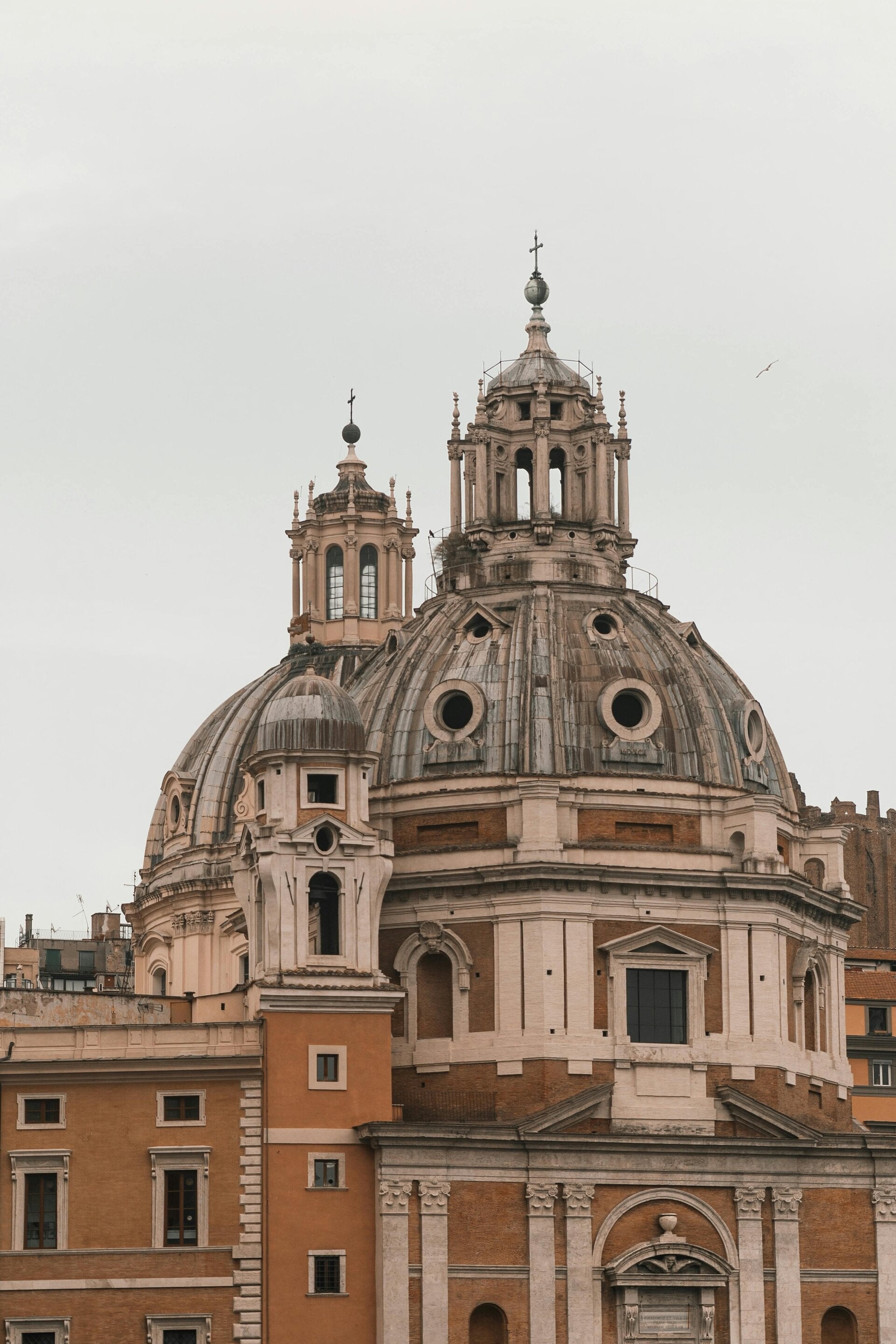
High Renaissance architecture was inspired by ancient Greek and Roman buildings. Architects emphasised symmetry, proportion, geometric forms, columns, domes, and harmonious designs. Their goal was to create buildings that appeared balanced, monumental, and unified.
Donato Bramante (c. 1444–1514)
Donato Bramante was one of the leading architects of the High Renaissance. He studied classical architecture and used its principles to create buildings with clear geometric forms and balanced proportions.
Tempietto (1502)
Bramante's Tempietto, located in Rome, is a small circular temple surrounded by columns. Its harmonious proportions and classical design reflect the Renaissance admiration for ancient Roman architecture. It became an influential example of High Renaissance architectural ideals.
St. Peter's Basilica
Bramante was commissioned by Pope Julius II to develop a new design for St. Peter's Basilica in the Vatican. His original plan proposed a centrally planned building with a large dome and a balanced, symmetrical layout inspired by classical architecture.
Although the building was changed and completed by later architects, Bramante's design played an important role in the development of Renaissance architecture.
Key terms
- Sfumato: A painting technique developed by Leonardo da Vinci that blends colours and tones gradually to create soft transitions without sharp outlines.
-
Chiaroscuro: The use of light and shadow to create the illusion of volume and three-dimensional form.
-
Contrapposto: A standing pose in which the body's weight rests mainly on one leg, creating a natural shift in the hips and shoulders.
-
Humanism: An intellectual movement that emphasised human abilities, classical learning, and the study of ancient Greek and Roman culture.
-
Ideal Proportions: Balanced and harmonious proportions used to represent the human body according to Renaissance ideals of beauty.
Lesson review and questions
Test your understanding of the High Renaissance in Italy. Click on each question to reveal the answers and study key exam topics.
Create Your Own Website With Webador