The modern world
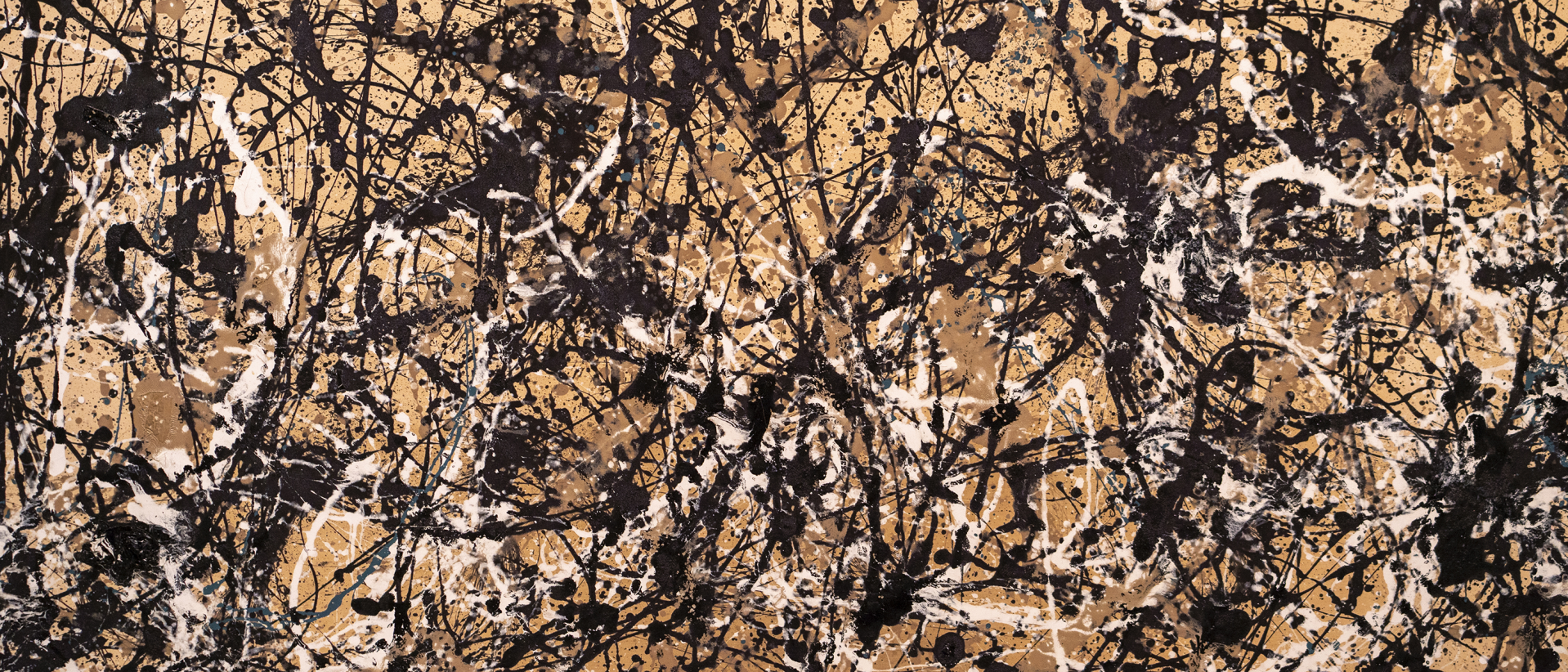
The art of the modern world reflects the dramatic social, political, scientific, and technological changes of the nineteenth and twentieth centuries. Industrialization, urbanization, new forms of communication, and changing ideas about society transformed the way artists understood the world. Many began to challenge traditional artistic rules and experiment with new subjects, styles, materials, and techniques.
In this section, we explore the major movements and developments of modern and contemporary art, from Realism and Impressionism to the many experiments of twentieth-century art and Postmodernism. Each lesson introduces the historical context, the main characteristics of the movement, and important artists and works.
Explore the lessons below to discover how artists questioned established traditions, developed new ways of representing reality, and responded to the rapidly changing world around them.
Lessons in this module
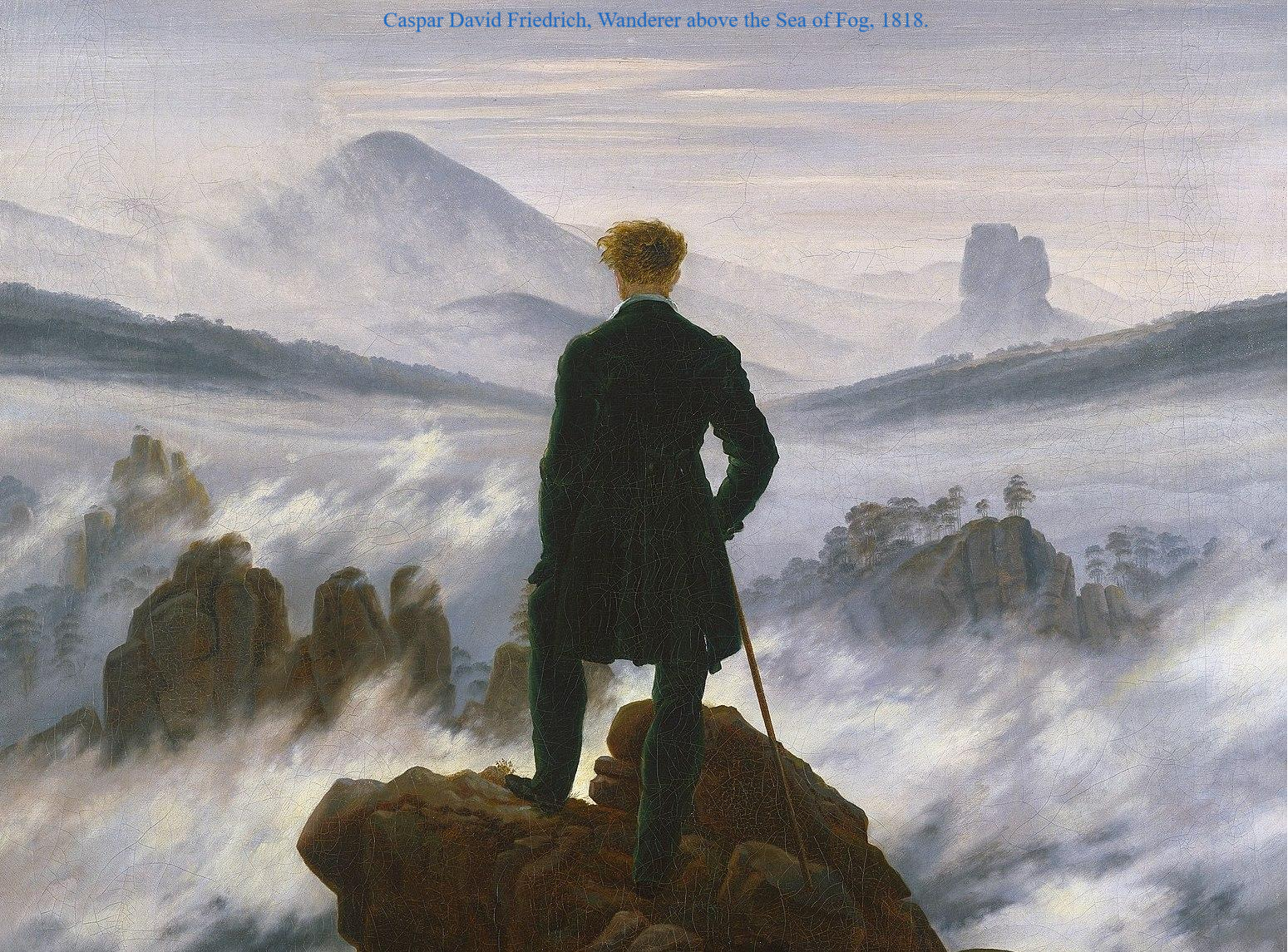
Explore the contrast between classical ideals of order and harmony and the emotion, imagination, and dramatic power of Romanticism.
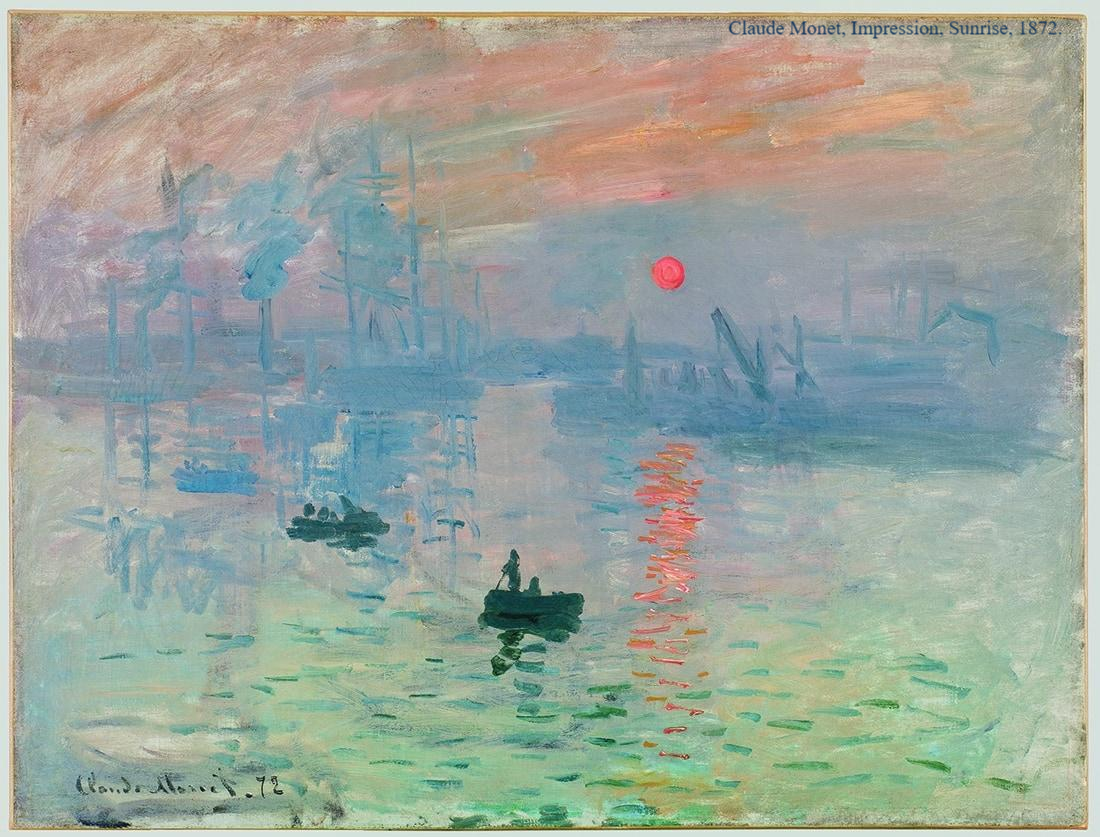
Discover how artists depicted everyday life and explored the changing effects of light, color, and atmosphere.
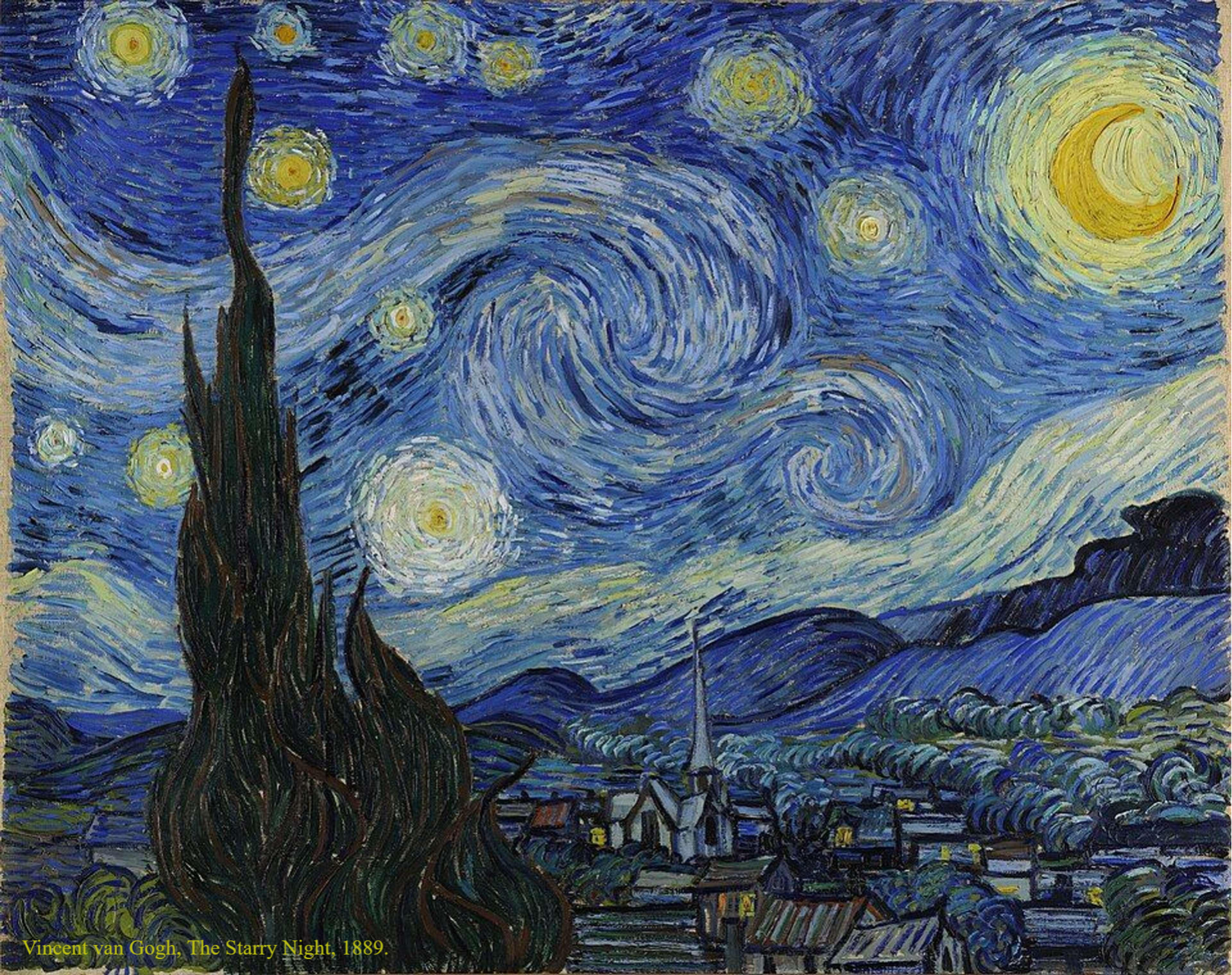
Explore expressive color, symbolic imagery, and innovative decorative forms that transformed modern art.
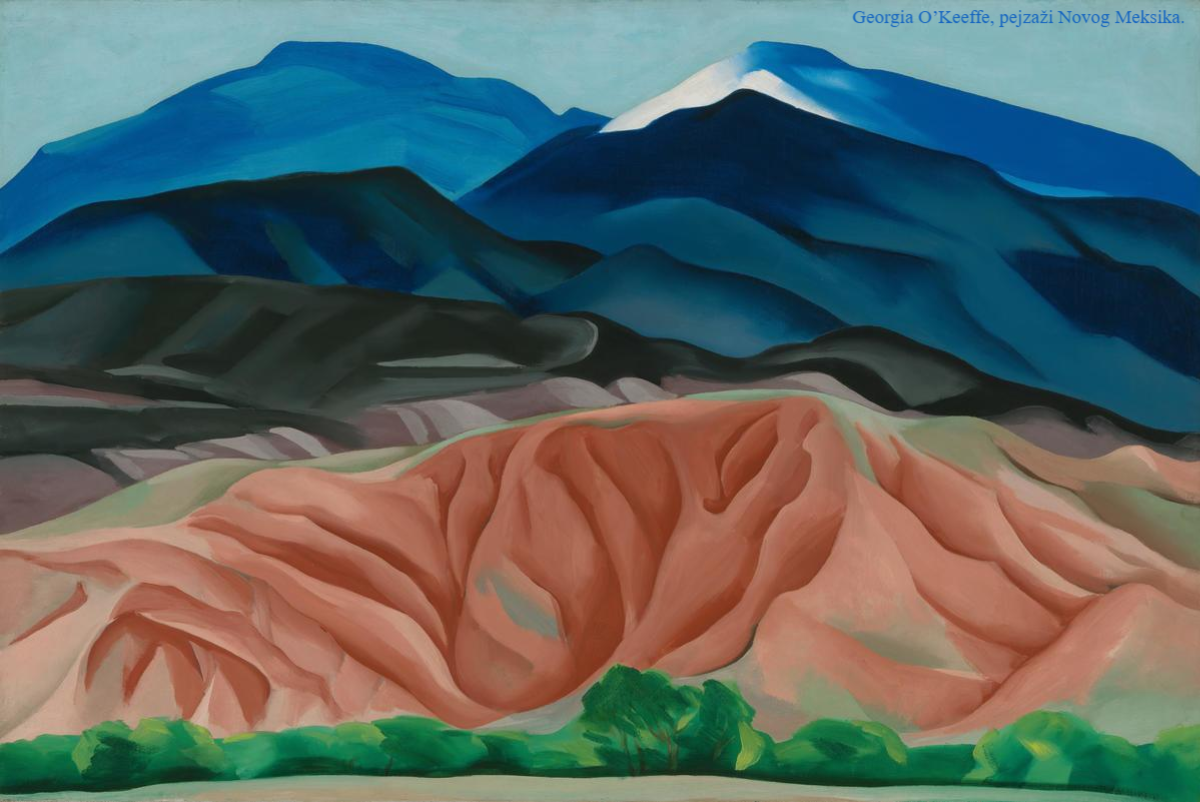
Discover how artists challenged traditional rules through radical movements, abstraction, experimentation, and new ways of seeing the world.
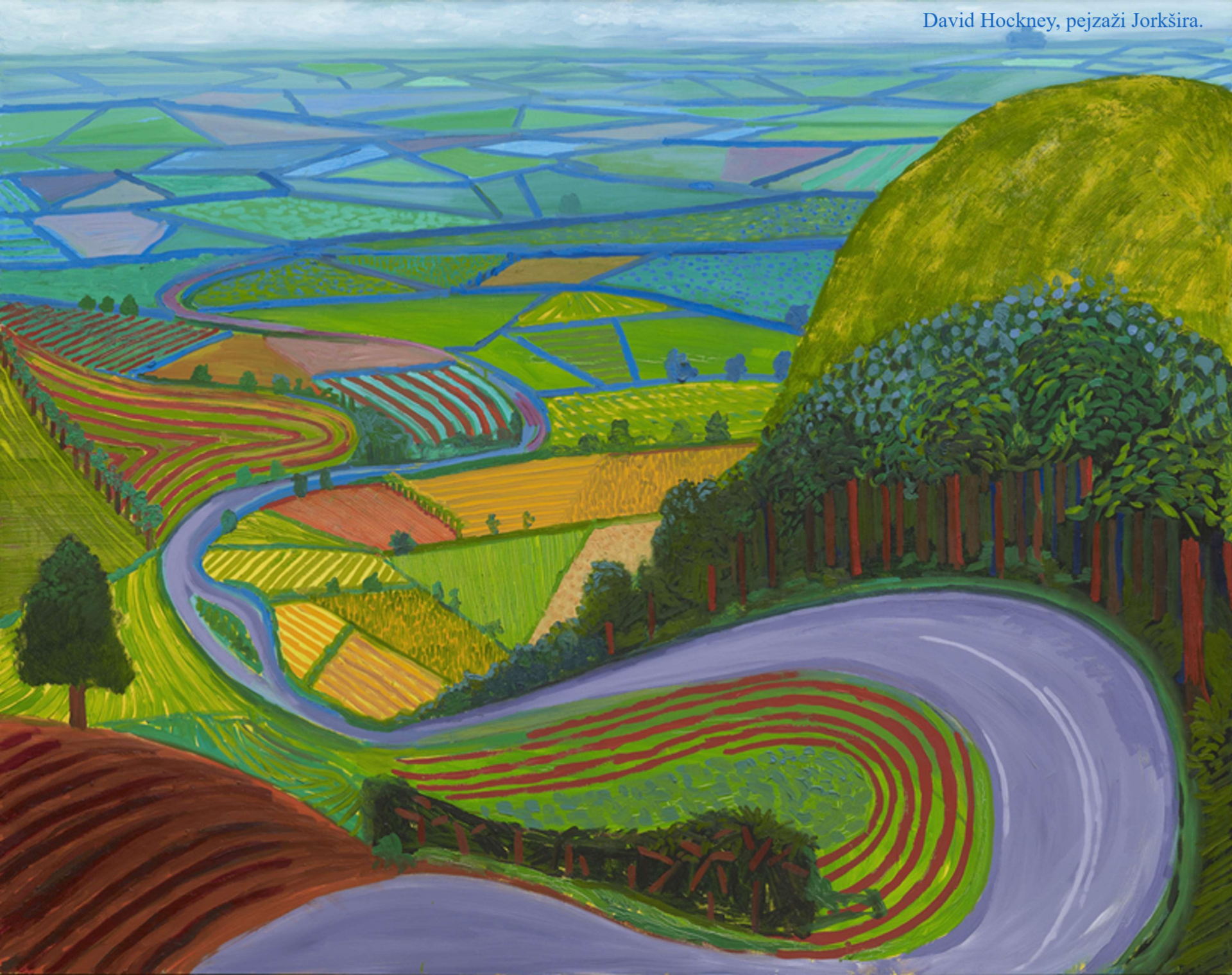
Explore how artists combined styles, borrowed images, and challenged traditional ideas about art, meaning, and originality.
Create Your Own Website With Webador