Twentieth-century art
Historical context


The twentieth century was marked by rapid technological development, urbanization, political conflict, and two world wars. Photography and film changed how people saw and recorded the world. Many artists began to question whether art should represent reality in the traditional way or whether it could explore emotion, ideas, form, and the materials of art itself.
Modern artists increasingly rejected the rules of academic art. They experimented with intense colors, distorted figures, geometric forms, abstraction, and unexpected materials. Instead of following one common style, artists developed many different movements, often at the same time.
The major developments discussed in this lesson include Fauvism, Expressionism, Cubism, Futurism, Dada, Surrealism, and abstract art. Each movement challenged traditional artistic conventions in a different way.

Fauvism
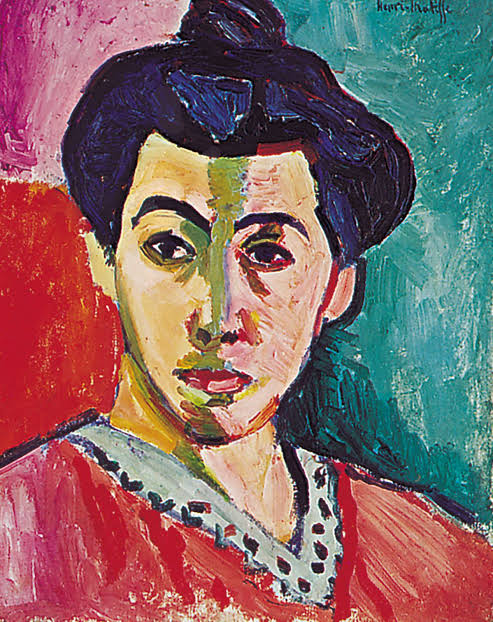
Fauvism emerged in France around 1905. The name comes from the French word fauves, meaning “wild beasts,” a label used by a critic in response to the artists' intense colors.
Fauvist painters used bright, often non-naturalistic colors and simplified forms. Color was not required to reproduce the exact appearance of an object. Instead, it could create a strong visual effect and express the artist's response to the subject.
Henri Matisse (1869–1954)
Henri Matisse was the leading figure of Fauvism. He used bold colors, simplified shapes, and expressive lines to create compositions that emphasized visual harmony rather than realistic representation.
The Joy of Life (1905–1906)
This painting shows nude figures in an idealized landscape. The figures and trees are simplified, and the landscape is filled with intense colors that do not follow natural appearances.
Matisse uses color and flowing outlines to create a unified composition. The painting demonstrates how Fauvist artists used color as an independent expressive element rather than simply as a way to describe reality.
Expressionism
Expressionism developed in the early twentieth century, especially in Germany and northern Europe. Expressionist artists sought to communicate intense feelings and psychological experiences rather than reproduce the visible world accurately.
They often used distorted figures, angular forms, exaggerated colors, and dramatic lines. Their art could express anxiety, loneliness, alienation, fear, or criticism of modern society.
Edvard Munch (1863–1944)
Edvard Munch was a Norwegian artist whose work explored anxiety, love, death, and psychological suffering. He influenced later Expressionist artists.
The Scream (1893)
The painting shows a figure standing on a bridge, holding its hands near its face, while the landscape and sky appear to ripple around it. The figure's face is simplified, and the strong lines and intense colors make the entire scene feel emotionally unstable.
The painting is not simply a realistic depiction of a person shouting. It expresses a feeling of anxiety that seems to affect both the figure and the surrounding world.
Ernst Ludwig Kirchner (1880–1938)
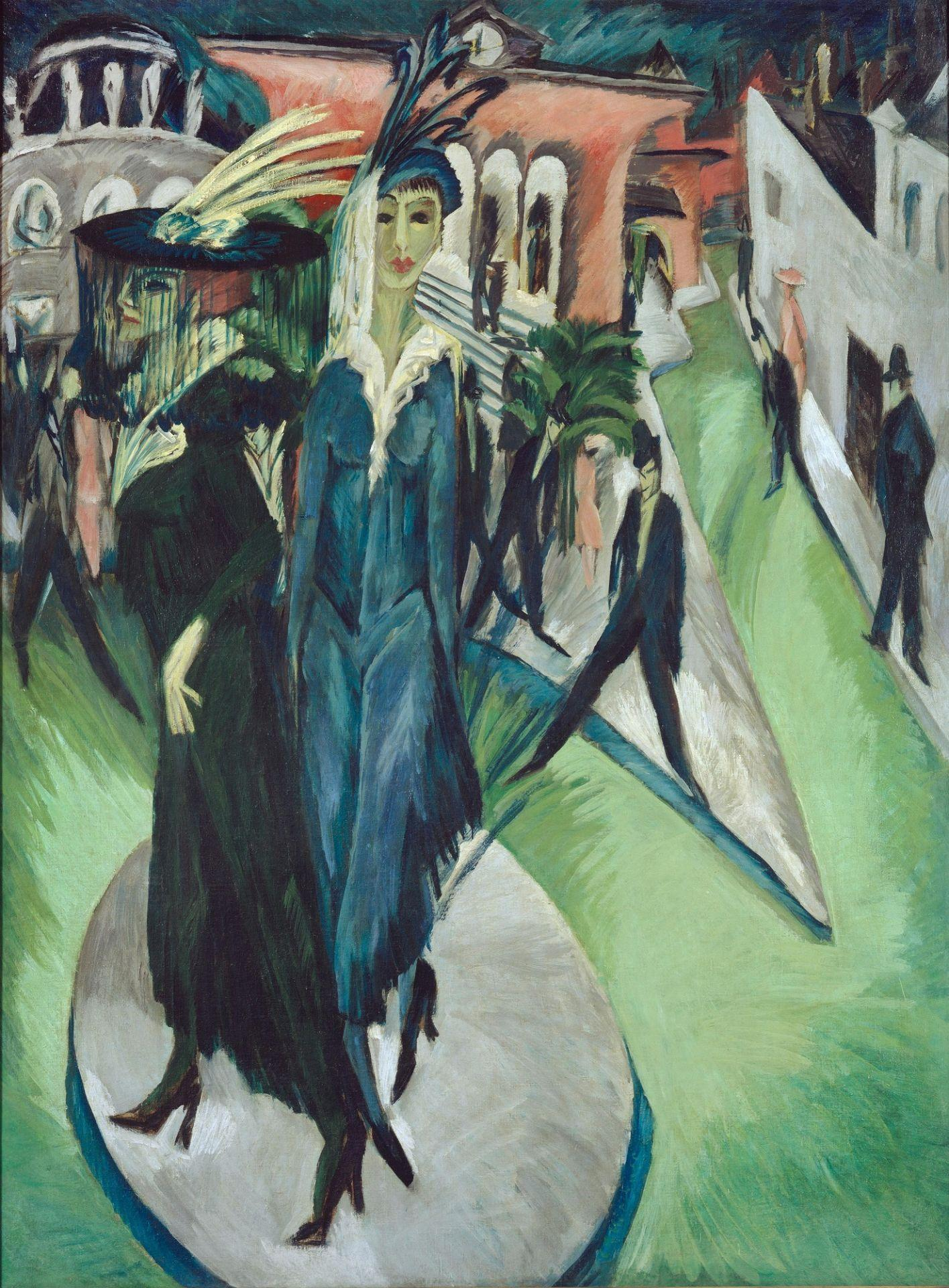
Ernst Ludwig Kirchner was a German Expressionist and a founding member of the group Die Brücke (“The Bridge”). His paintings often depict modern city life using angular forms, simplified figures, and sharp contrasts of color.
Street, Berlin (1913)
The painting shows people moving through a busy city street. The figures appear elongated and angular, while the sharp colors and crowded composition create a sense of tension and unease.
Kirchner presents the modern city as an environment that can feel overwhelming and alienating.
Cubism
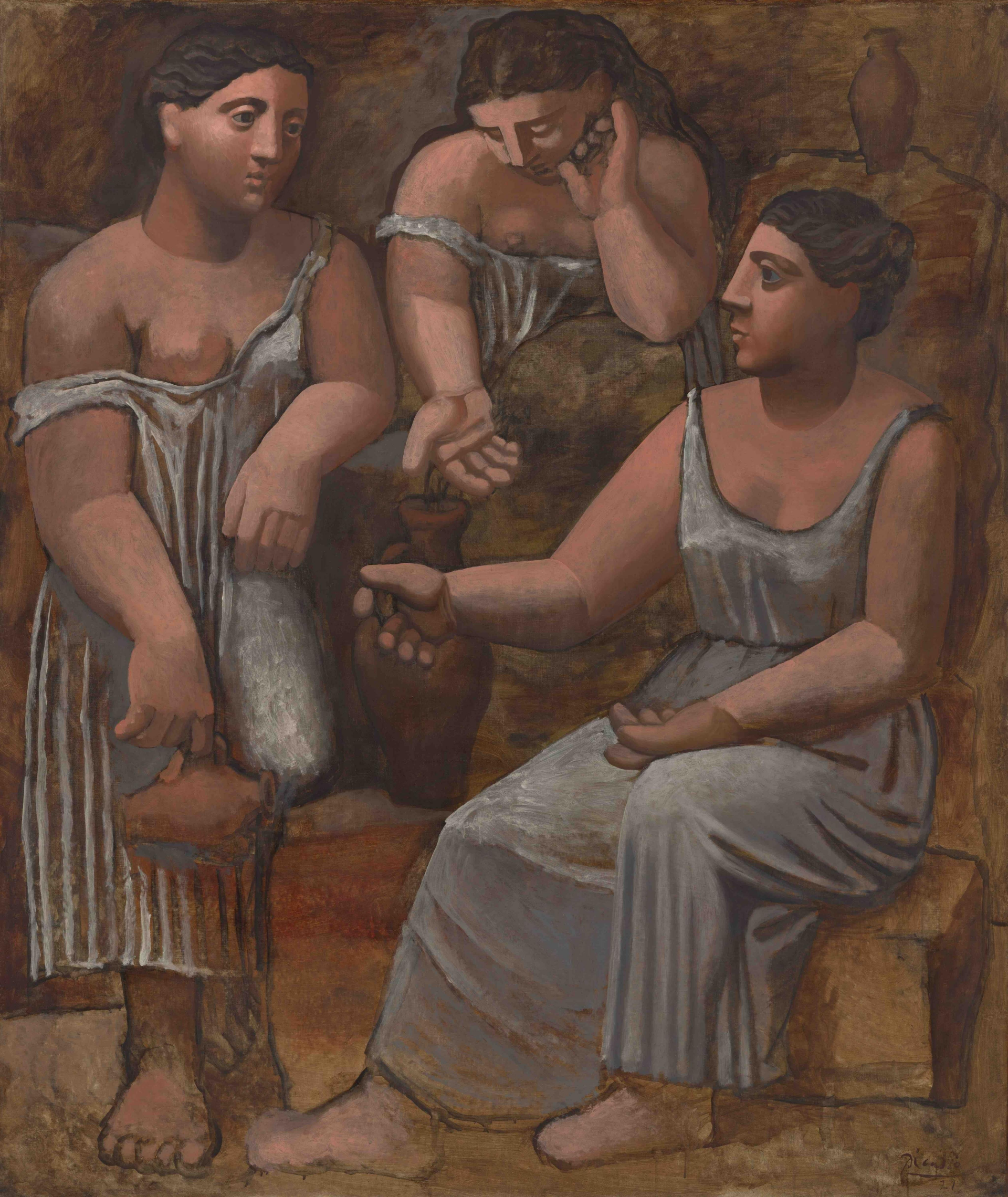
Cubism developed in Paris around 1907–1908, especially through the work of Pablo Picasso and Georges Braque. Cubist artists challenged the traditional idea that a painting should show objects from a single, fixed viewpoint.
They broke objects into geometric shapes and presented different aspects of a subject within the same composition. Forms became fragmented, space became flatter, and traditional perspective was questioned.
Cubism developed in several stages, including Analytical Cubism, which fragmented objects into many small planes, and Synthetic Cubism, which used simpler shapes and sometimes incorporated materials such as printed paper.
Pablo Picasso (1881–1973)
Pablo Picasso was one of the most influential artists of the twentieth century and a central figure in the development of Cubism.
Les Demoiselles d'Avignon (1907)
This painting depicts five nude women in a brothel. Their bodies are represented through angular, simplified forms, and some of their faces resemble masks. The figures do not fit comfortably into traditional perspective.
Picasso breaks with conventional ideas of beauty, anatomy, and space. The painting became a major step toward Cubism and helped open new directions in modern art.
Guernica (1937)
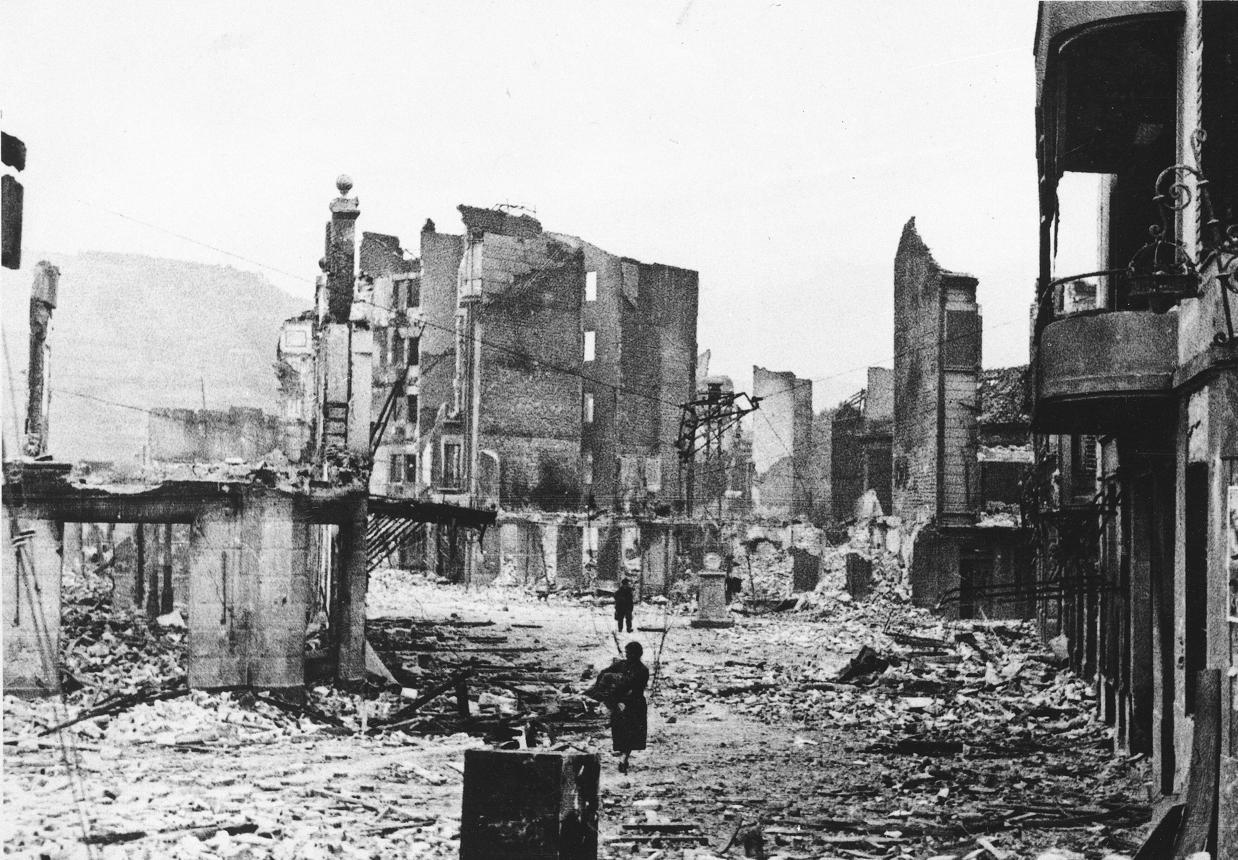
Picasso painted Guernica in response to the bombing of the Basque town of Guernica during the Spanish Civil War on April 26, 1937. German and Italian aircraft supporting Francisco Franco's Nationalist forces took part in the attack.
The painting shows suffering civilians, including women, children, and animals, surrounded by figures expressing pain and terror. Picasso uses distorted bodies, fragmented forms, and a limited palette of black, white, and grey to create a powerful image of destruction.
Although Picasso developed Cubism earlier in his career, Guernica is not usually classified as a Cubist painting alone. Instead, it combines elements of Cubist fragmentation and Expressionist distortion to communicate the horror of war.
The painting became one of the most famous anti-war artworks of the twentieth century. It demonstrates how modern art could move beyond experimentation with form and become a powerful response to political violence and human suffering.
Georges Braque (1882–1963)
Georges Braque worked closely with Picasso during the development of Cubism.
Violin and Palette (1909)
In this painting, a violin is fragmented into overlapping planes and forms. The subject remains recognizable, but it is no longer represented through conventional perspective and modeling.
Braque asks the viewer to reconstruct the object from its separate visual parts. The painting demonstrates how Cubism challenged traditional ways of representing three-dimensional objects on a flat surface.
Futurism
Futurism emerged in Italy in 1909. Futurist artists celebrated modern technology, speed, machines, industrial cities, and movement. They rejected what they saw as an excessive attachment to the artistic traditions of the past.
Futurist paintings often use repeated forms, diagonal lines, and overlapping shapes to suggest motion and energy.
Futurism was also associated with aggressive nationalist and political ideas. Some Futurists glorified war and violence, so the movement should be understood in the context of the political tensions of the early twentieth century.
Umberto Boccioni (1882–1916)
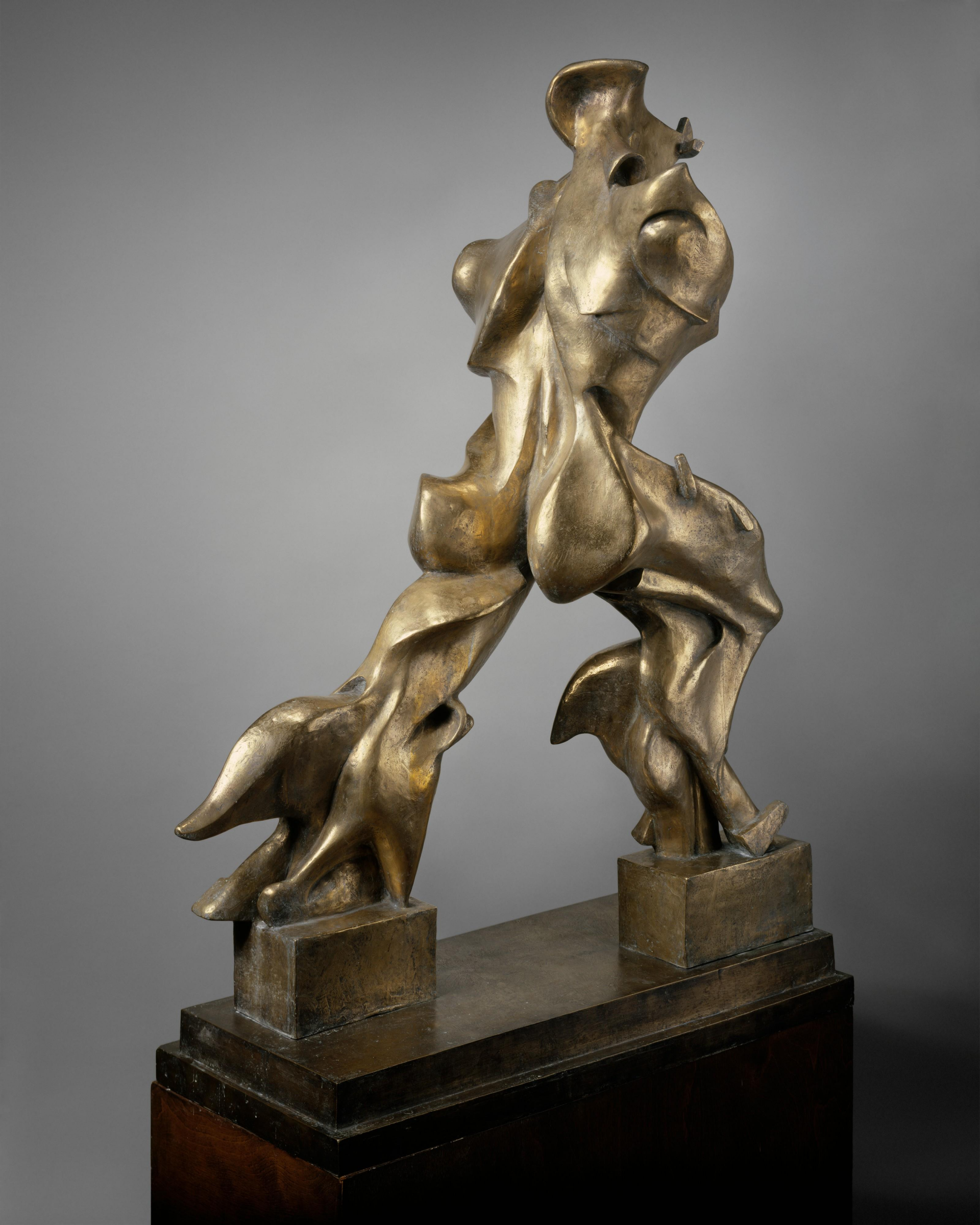
Umberto Boccioni was a leading Futurist painter and sculptor. He attempted to represent movement and the relationship between a figure and its surrounding space.
Unique Forms of Continuity in Space (1913)
This sculpture represents a walking figure whose body seems to extend into the surrounding air. Its flowing, aerodynamic forms suggest speed and movement rather than a static human body.
The work demonstrates the Futurist ambition to express modern energy through sculpture.
Dada
Dada emerged during the First World War, with important activities in Zurich and other European cities. Dada artists reacted to the destruction of the war and the social and political values they believed had contributed to it.
They challenged conventional ideas about artistic skill, beauty, logic, and the definition of art. Dada works could include absurd combinations, chance, collage, performance, and ordinary manufactured objects.
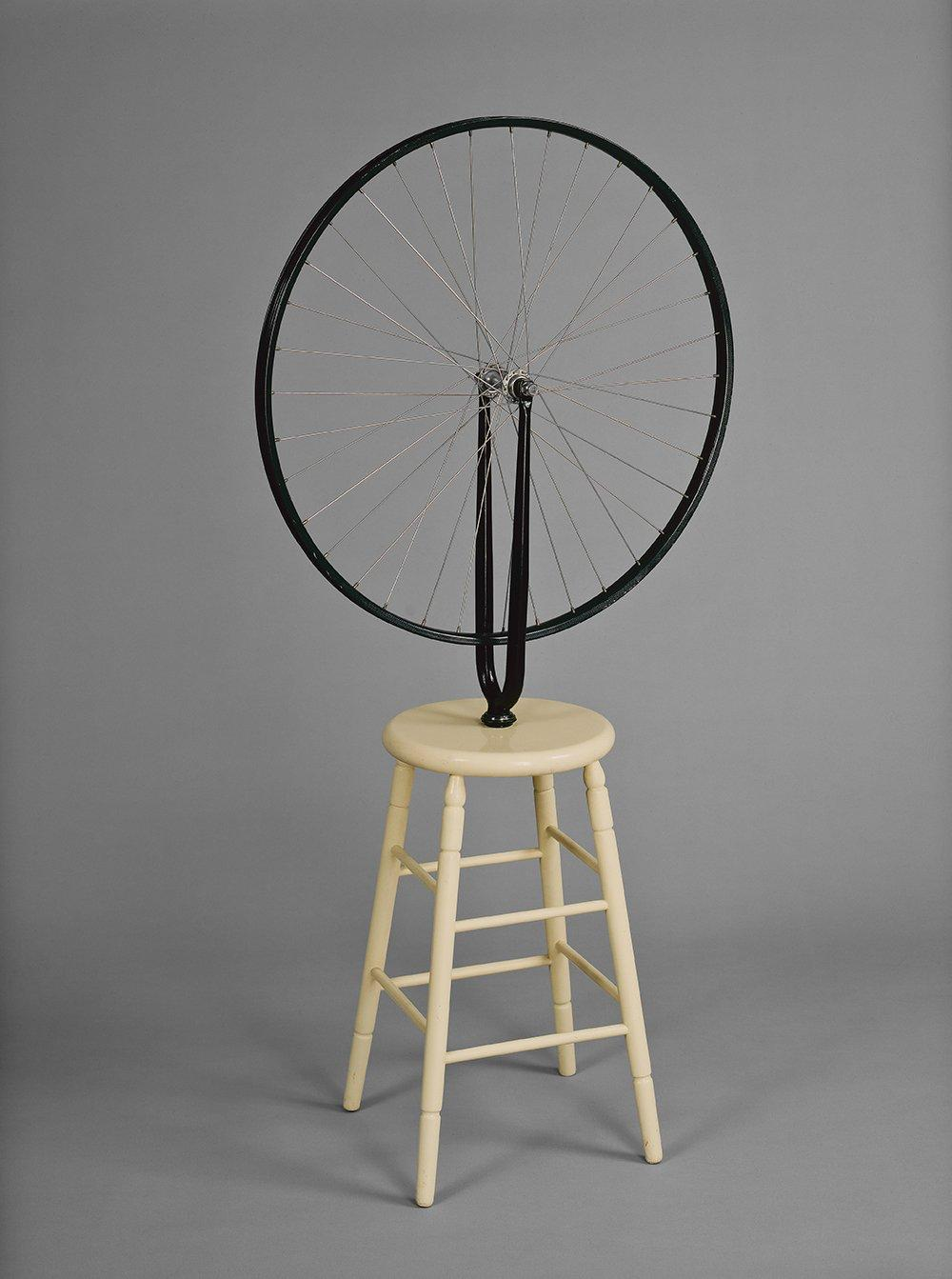
Marcel Duchamp (1887–1968)
Marcel Duchamp was a central figure in Dada and a major influence on later conceptual art.
Fountain (1917)
Duchamp submitted a commercially manufactured urinal, signed “R. Mutt,” as an artwork. The object was not traditionally crafted by the artist. Instead, the act of selecting and presenting it challenged the assumptions behind art exhibitions and artistic authorship.
The work raises a fundamental question: What makes something art? Is it the object's appearance, the artist's skill, the artist's decision, or the context in which it is presented?
Duchamp's Fountain became one of the most influential challenges to traditional definitions of art.
Surrealism
Surrealism developed in the 1920s and was influenced by ideas about dreams and the unconscious mind, including the writings of Sigmund Freud.
Surrealist artists tried to move beyond ordinary logic and conscious control. They combined familiar objects in unexpected ways, transformed everyday scenes into impossible situations, and explored dreams, desires, and fears.
Surrealism did not have one single visual style. Some artists used highly realistic techniques to depict impossible scenes, while others created abstract or biomorphic forms.
Salvador Dalí (1904–1989)
Salvador Dalí was one of the best-known Surrealist artists. He painted strange and dreamlike scenes with precise, realistic detail, making impossible events appear convincing.
The Persistence of Memory (1931)
This painting depicts soft watches draped over objects in a quiet, dreamlike landscape. The watches seem to lose their usual rigid form, challenging the familiar experience of time.
Dalí combines recognizable objects in an unfamiliar setting. The painting invites viewers to consider time, memory, and the strange logic of dreams.
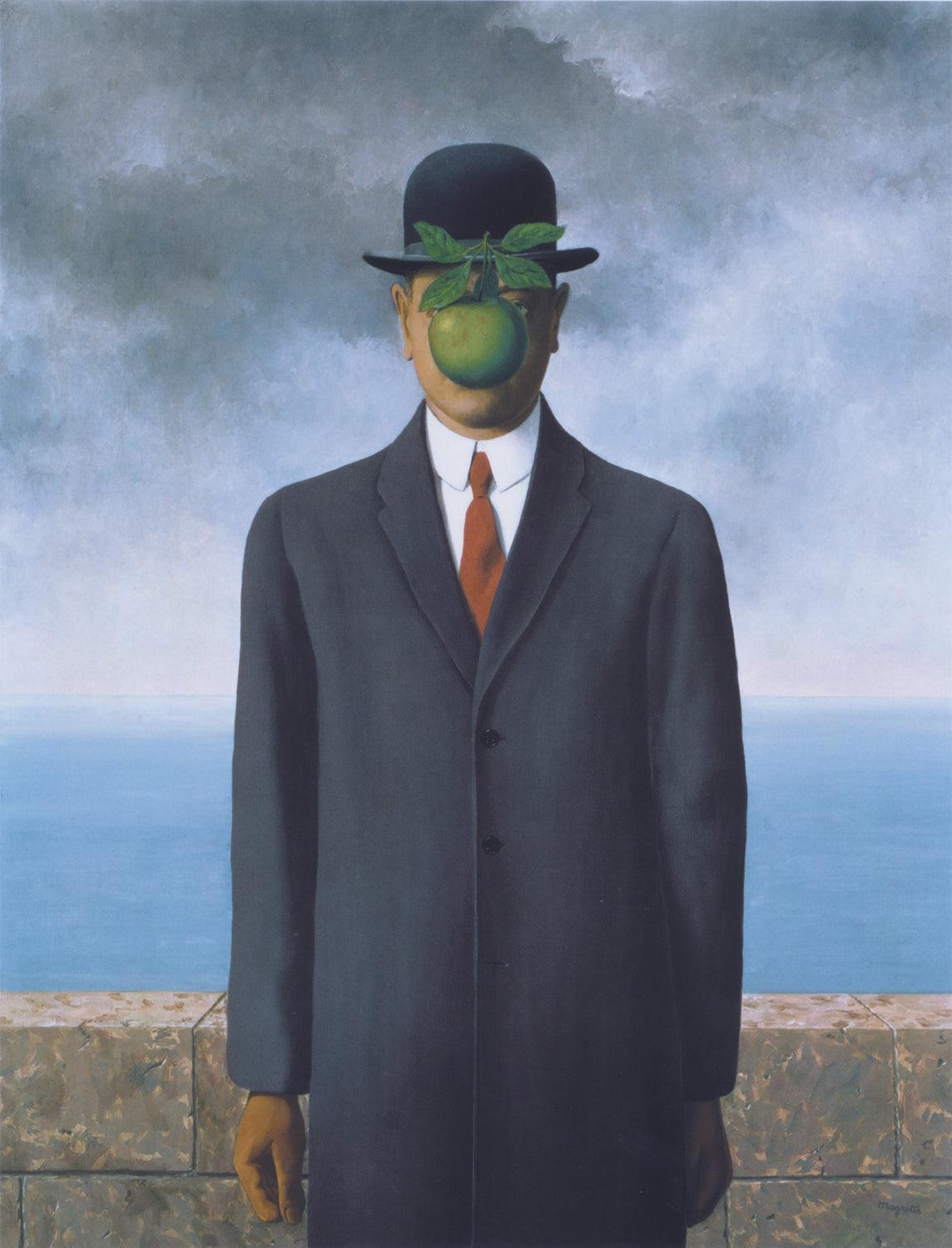
René Magritte (1898–1967)
René Magritte was a Belgian Surrealist known for placing familiar objects in unexpected contexts. His paintings often question the relationship between an image, a word, and the thing represented.
The Treachery of Images (1929)
The painting shows a pipe beneath the words “Ceci n'est pas une pipe,” meaning “This is not a pipe.”
Magritte points out that a painted image of a pipe is not a real pipe. It is a representation of one. The work encourages viewers to question how images communicate meaning and how closely representation relates to reality.
Frida Kahlo
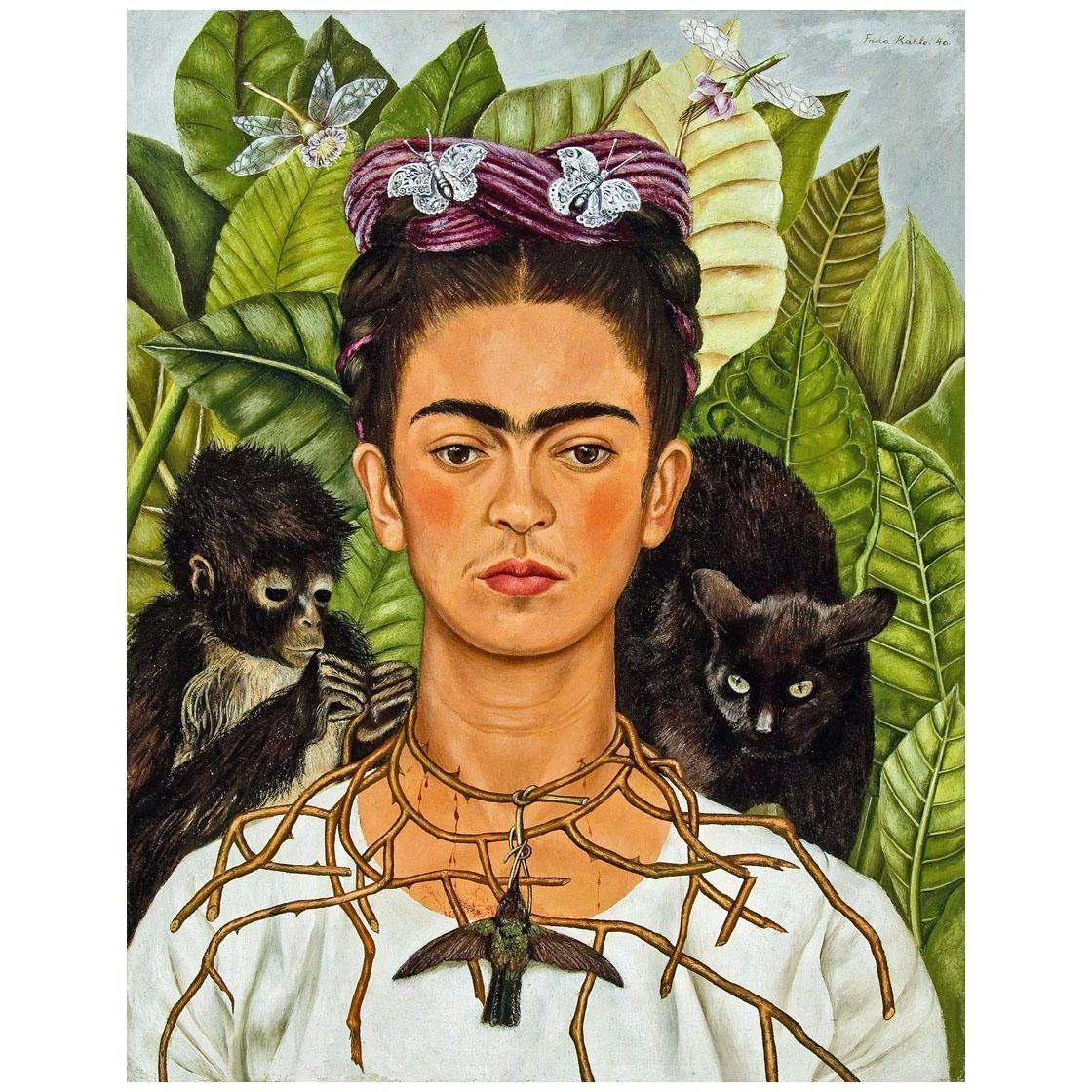
Frida Kahlo was a Mexican painter known for her intensely personal self-portraits. Her paintings often combine realistic details with unusual, symbolic, and sometimes dreamlike imagery. She explored themes such as identity, physical suffering, the human body, and Mexican culture.
Although her work is often associated with Surrealism, Kahlo rejected the idea that she painted dreams, explaining that she painted her own reality.
The Two Fridas (1939)
This painting shows two versions of Kahlo sitting side by side, with their hearts exposed and connected by a vein. The two figures are dressed differently, reflecting aspects of her identity and cultural background. The exposed hearts and connecting vein create a powerful image of emotional vulnerability and personal conflict.
Kahlo's work is useful when studying Surrealism because it combines recognizable figures with unusual imagery and symbolic elements. However, her paintings also express her individual experiences and should not be understood simply as examples of the Surrealist movement.
Abstract Art
Abstract art does not aim to represent recognizable objects or scenes in a realistic way. Artists may use color, line, shape, rhythm, and texture as the main elements of a composition.
Some abstract artists simplified recognizable forms until they became nearly unrecognizable. Others created non-representational works that did not depict the visible world at all.
Abstract art developed in different directions. Some artists associated abstraction with spirituality and emotion, while others focused on geometry, order, or the physical properties of paint.
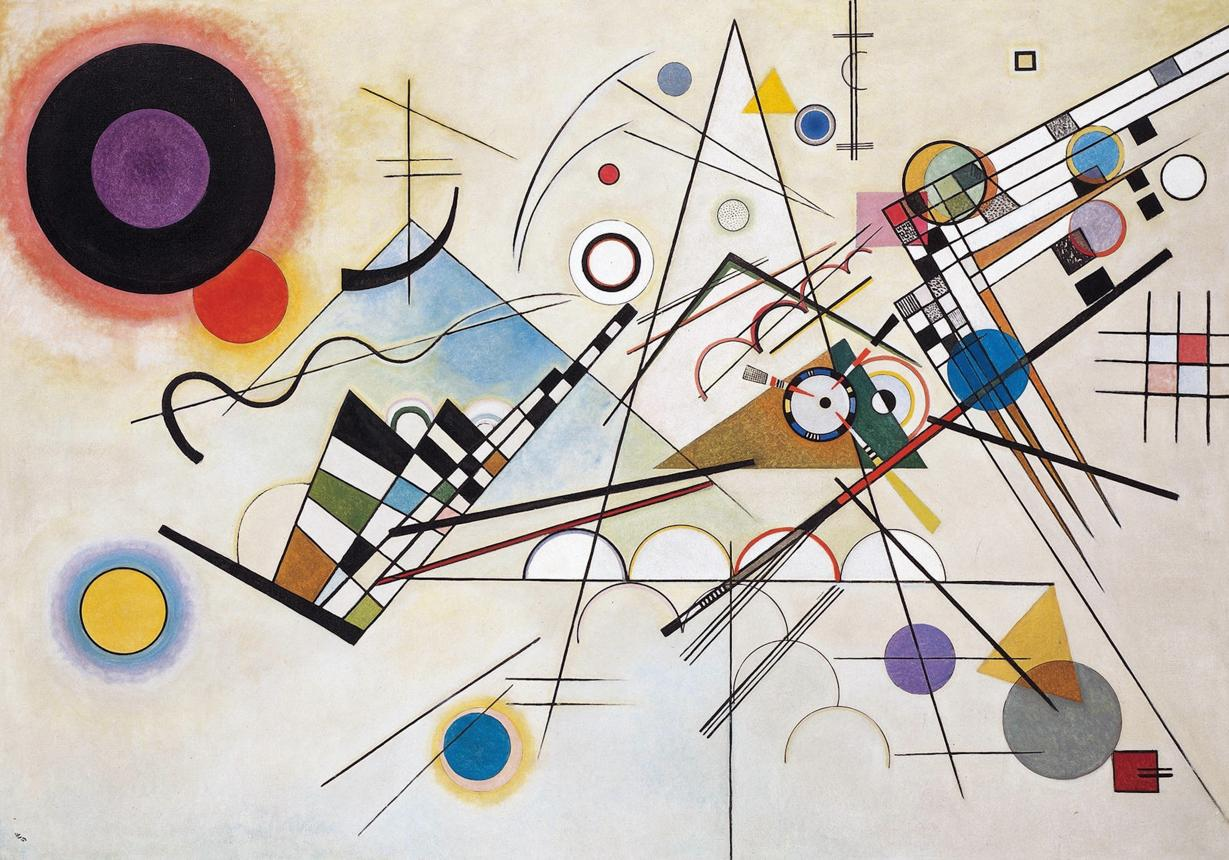
Wassily Kandinsky (1866–1944)
Wassily Kandinsky was one of the pioneers of abstract painting. He believed that color, line, and form could communicate feelings and spiritual ideas without depicting recognizable objects.
Composition VII (1913)
This painting contains a complex arrangement of sweeping lines, intense colors, and overlapping shapes. There is no single recognizable subject that organizes the entire composition.
Kandinsky uses visual elements in a way that can be compared to music: colors and forms interact to create rhythm, tension, and harmony.
Piet Mondrian (1872–1944)
Piet Mondrian developed a highly reduced form of abstraction based on horizontal and vertical lines and areas of primary color.
Composition with Red, Blue and Yellow (1930)
The painting is organized into rectangular areas separated by black lines, with selected areas filled with red, blue, or yellow. Mondrian removes recognizable objects and focuses on the relationships between line, color, proportion, and balance.
His work demonstrates that a painting can be built from basic visual elements without depicting a landscape, person, or object.
Abstract Expressionism
Abstract Expressionism developed in the United States, especially in New York, during the 1940s and 1950s. After the Second World War, New York became an important center of modern art. Artists experimented with large canvases, spontaneous gestures, and the expressive possibilities of color.
Abstract Expressionism did not have one single style. Some artists emphasized energetic brushstrokes and the physical act of painting, while others used large areas of color to create emotional effects.
Action Painting
Jackson Pollock (1912–1956)
Jackson Pollock became famous for his drip painting technique. Instead of applying paint only with a brush, he dripped, poured, and splashed paint onto large canvases, often placed on the floor.
His paintings are examples of Action Painting, in which the artist's gestures and physical movements become an essential part of the creative process. Rather than depicting recognizable objects, Pollock created complex networks of lines and colors that record the energy of the act of painting.
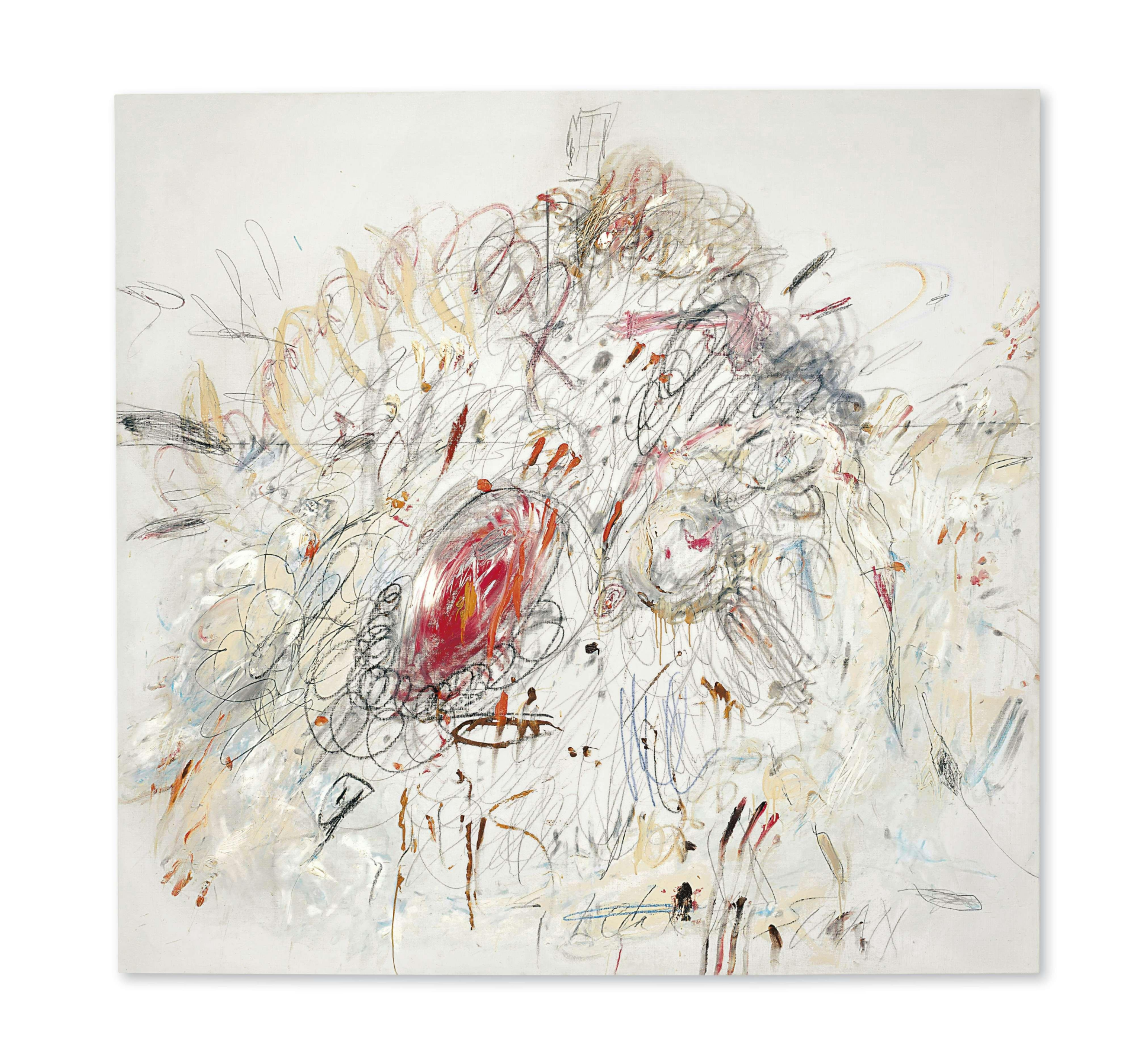
Joan Mitchell (1925–1992)
Joan Mitchell was an American painter associated with Abstract Expressionism. She used energetic brushstrokes, layered colors, and dynamic compositions to create emotionally expressive paintings.
Like Pollock, Mitchell emphasized gesture and the physical process of painting. However, her works often suggest memories of landscapes and natural surroundings, even when no recognizable scene is depicted.
Color Field Painting
Mark Rothko (1903–1970)
Mark Rothko is known for paintings composed of large, soft-edged areas of color. Instead of using energetic gestures, he arranged broad rectangles of color that seem to float against the background.
His work is associated with Color Field Painting, an approach that emphasizes the emotional and visual effects of large areas of color. Rothko wanted viewers to experience his paintings directly, through their colors, atmosphere, and scale.
Helen Frankenthaler (1928–2011)
Helen Frankenthaler developed a technique known as soak-stain, in which diluted paint was poured or brushed onto unprimed canvas, allowing it to soak into the fabric.
The resulting areas of color often have soft, irregular edges and appear to merge with the canvas itself. Her work helped influence the development of Color Field Painting.
Although Frankenthaler is associated with Abstract Expressionism, her technique also points toward a more expansive and less gestural approach to abstraction.
Pop Art
Pop Art emerged in Britain and the United States during the 1950s and became especially influential in the 1960s. Pop artists drew inspiration from advertising, comic books, consumer products, celebrities, and mass media.
Rather than treating popular culture as separate from fine art, they brought its images and visual language into their work. Some artists repeated familiar images, while others adapted the style of commercial printing and advertising.
Pop Art challenged traditional distinctions between high art and everyday visual culture and encouraged viewers to reconsider the images surrounding them.
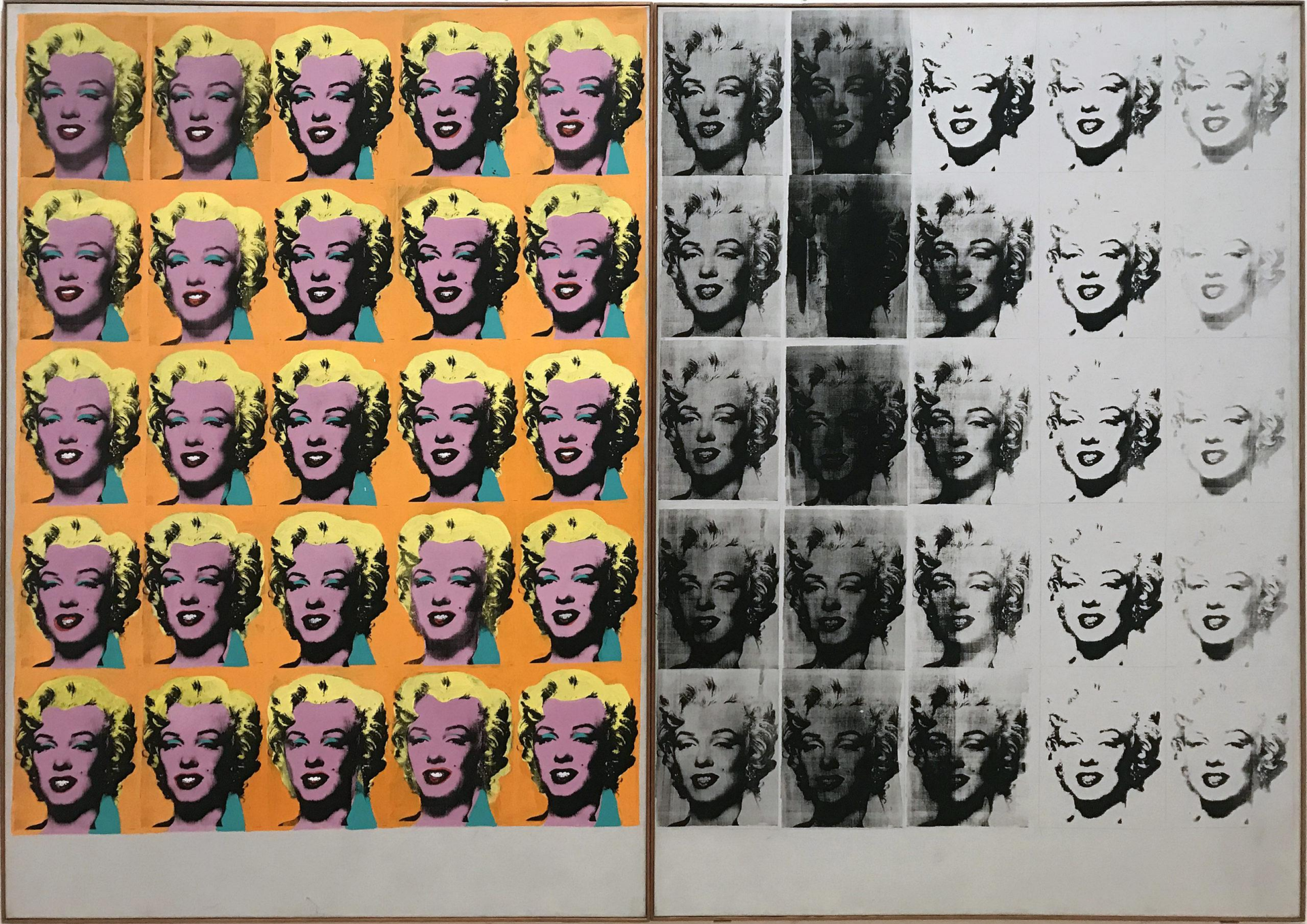
Andy Warhol (1928–1987)
Andy Warhol was one of the leading figures of American Pop Art. He used images of consumer products, celebrities, and media events, often repeating the same image in different colors or arrangements.
Warhol created a series of paintings depicting different varieties of Campbell's soup. The cans resemble ordinary supermarket products rather than traditional subjects of fine art.
By presenting familiar commercial images as artworks, Warhol questioned the relationship between art, advertising, consumer culture, and mass production.
Warhol also created works based on photographs of Jacqueline Kennedy, the wife of President John F. Kennedy. Some images were taken from photographs published in the press around the time of the president's assassination in 1963.
By repeating and altering these photographs, Warhol explored how the mass media presents public figures and transforms personal experiences into widely circulated images.
His works show that popular culture and the media could become important subjects of modern art.
Roy Lichtenstein (1923–1997)
Roy Lichtenstein became famous for paintings inspired by comic strips and commercial printing.
This large painting depicts an aerial combat scene using imagery inspired by comic books. Lichtenstein employed bold outlines, bright colors, dramatic text, and Ben-Day dots, a printing technique commonly used in commercial illustrations.
By enlarging and transforming comic-book imagery, he brought a familiar form of popular entertainment into the context of fine art.
His work raises questions about originality, mass production, and the relationship between popular images and traditional painting.
Key Differences: Warhol and Lichtenstein
Both artists drew on popular culture, but they approached it differently. Warhol frequently used photographs, commercial products, and images of celebrities, often repeating them. Lichtenstein adapted the visual language of comic books, including their outlines, printed dots, and dramatic scenes.
Together, their works demonstrate how Pop Art transformed ordinary images from consumer society and mass media into subjects for artistic exploration.
Key terms
-
Modern art: Art that challenges established traditions and explores new ways of representing or interpreting the world.
-
Fauvism: A movement known for intense, often non-naturalistic color.
-
Expressionism: Art that emphasizes emotion and subjective experience.
-
Cubism: A movement that breaks forms into geometric planes and challenges traditional perspective.
-
Futurism: A movement that celebrates speed, machines, modern technology, and movement.
-
Dada: An avant-garde movement that challenged conventional ideas about art and society.
-
Readymade: An ordinary manufactured object selected and presented as art.
-
Surrealism: A movement that explores dreams, the unconscious, and unexpected combinations.
-
Abstract art: Art that does not aim to represent recognizable subjects realistically.
-
Non-representational art: Art that does not depict recognizable objects or scenes.
-
Composition: The arrangement of visual elements within an artwork.
Create Your Own Website With Webador