The ancient world

The art of the ancient world reflects the beliefs, values, and achievements of some of the earliest human societies. From prehistoric cave paintings and monumental Egyptian tombs to Greek temples and Roman engineering, art developed in close connection with religion, politics, daily life, and ideas about the world.
In this section, we explore the artistic traditions of different cultures, examining their architecture, sculpture, painting, and decorative arts. Each lesson introduces the historical context, the main characteristics of the period, and important works of art.
Explore the lessons below to discover how ancient art developed across different civilisations and how these traditions influenced later art and architecture.
Lessons in this module
Begin your study of ancient artistic expressions with the earliest surviving artifacts and monumental civilizations of the Mediterranean basin.
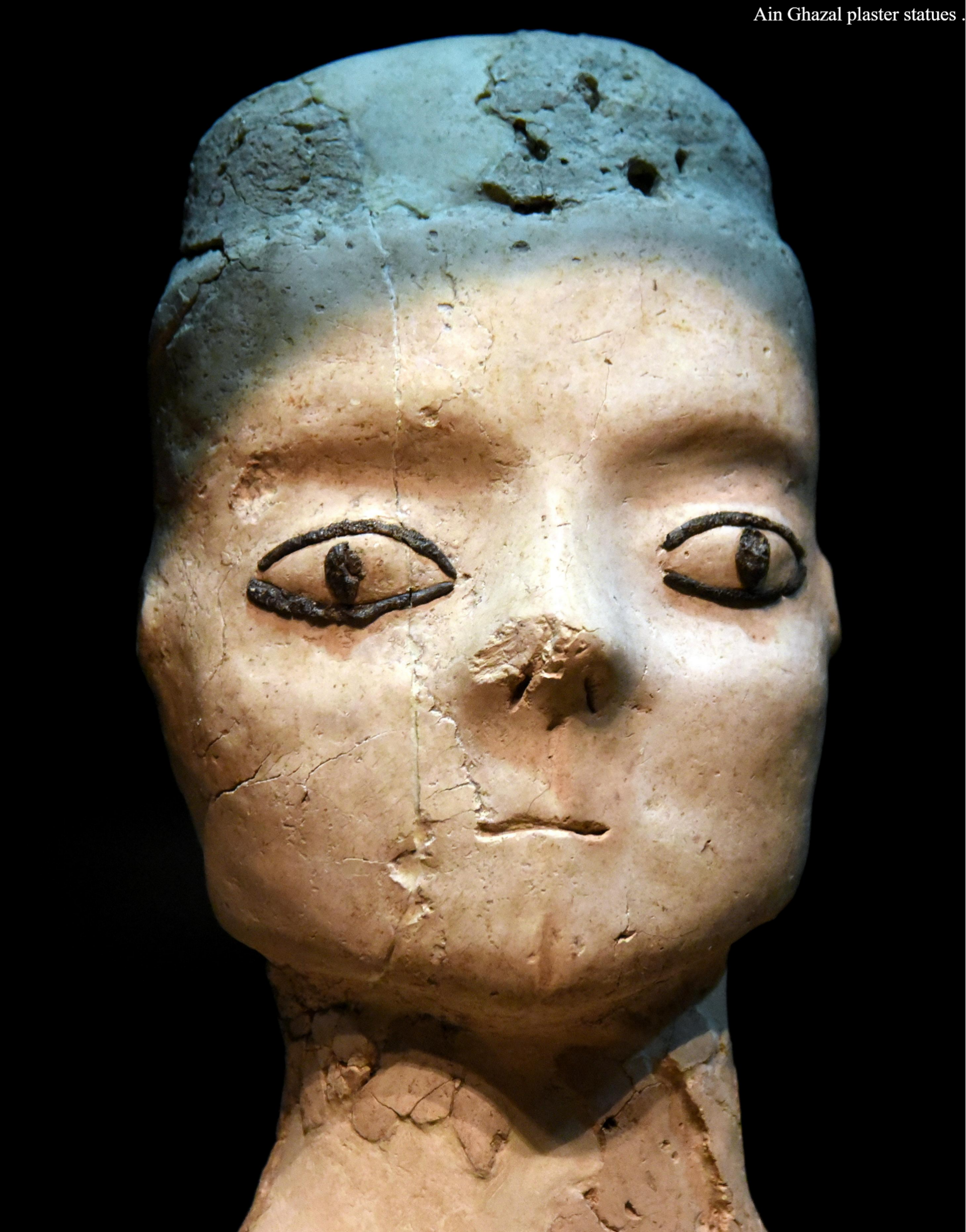
Discover the ritual origins and survival of early humanity through paleolithic cave paintings and carved stone figurines.
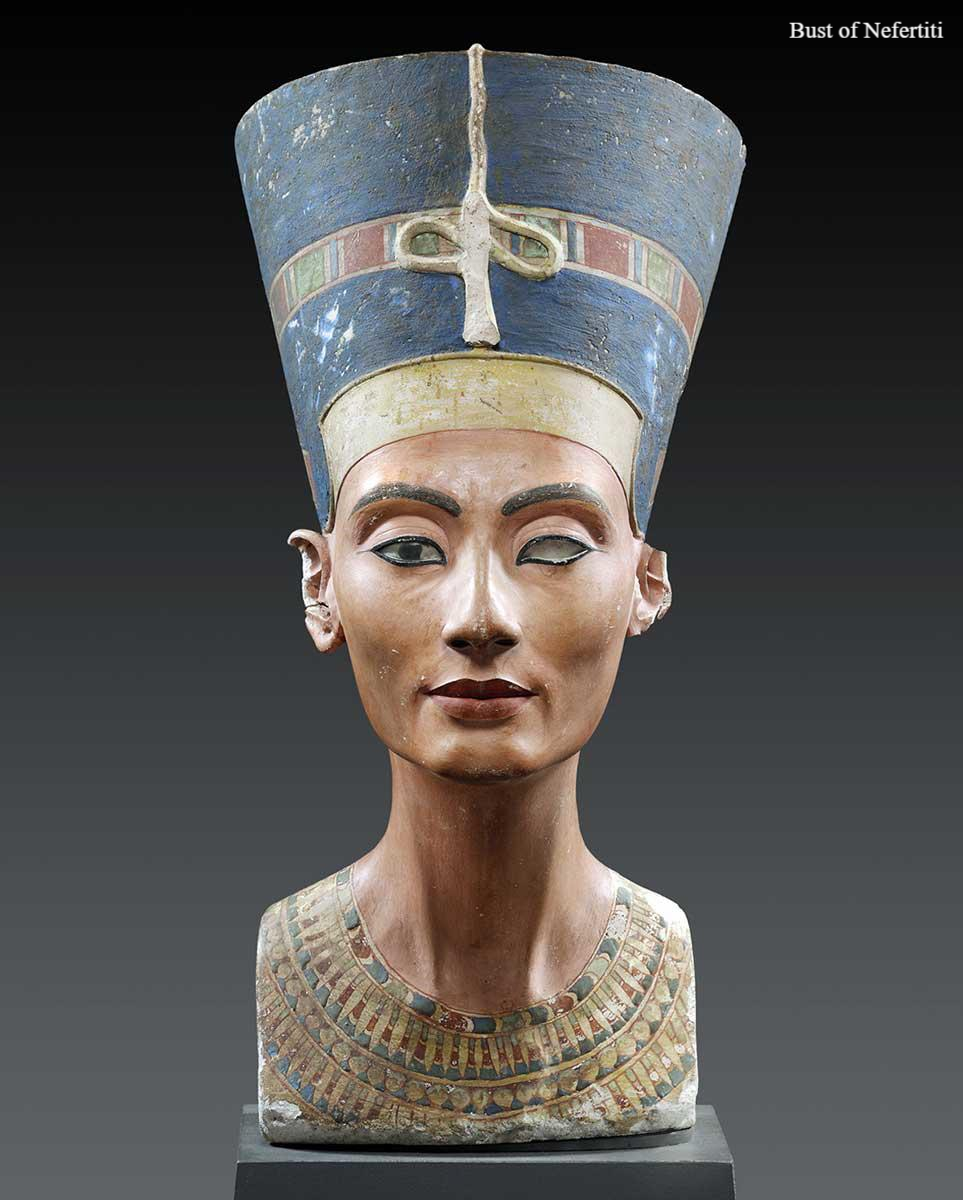
2. Egyptian art
Explore the enduring visual order, funerary architecture, and monumental symbolism created to serve the afterlife and divine rulers.
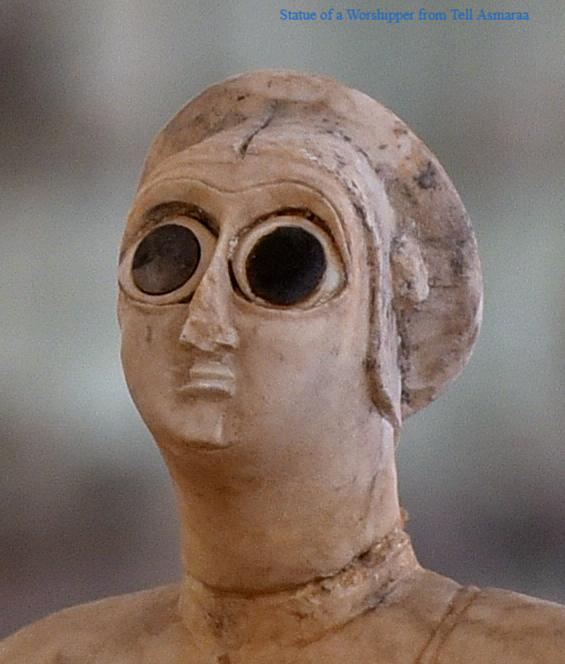
Uncover how early city-states and mighty empires celebrated power, law, and religion across Mesopotamia and Persia.
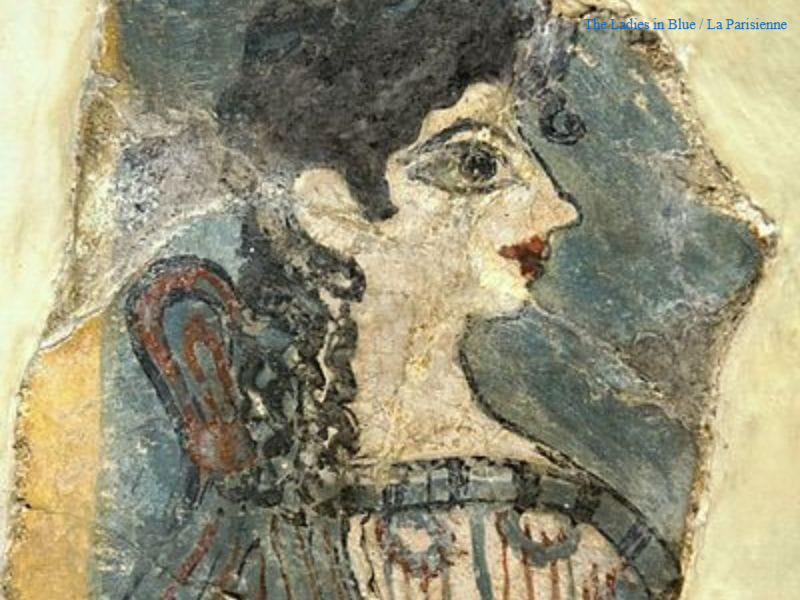
4. Aegean art
Examine Cycladic figurines, vibrant Minoan palaces, and fortified Mycenaean citadels that bridged early Mediterranean traditions.
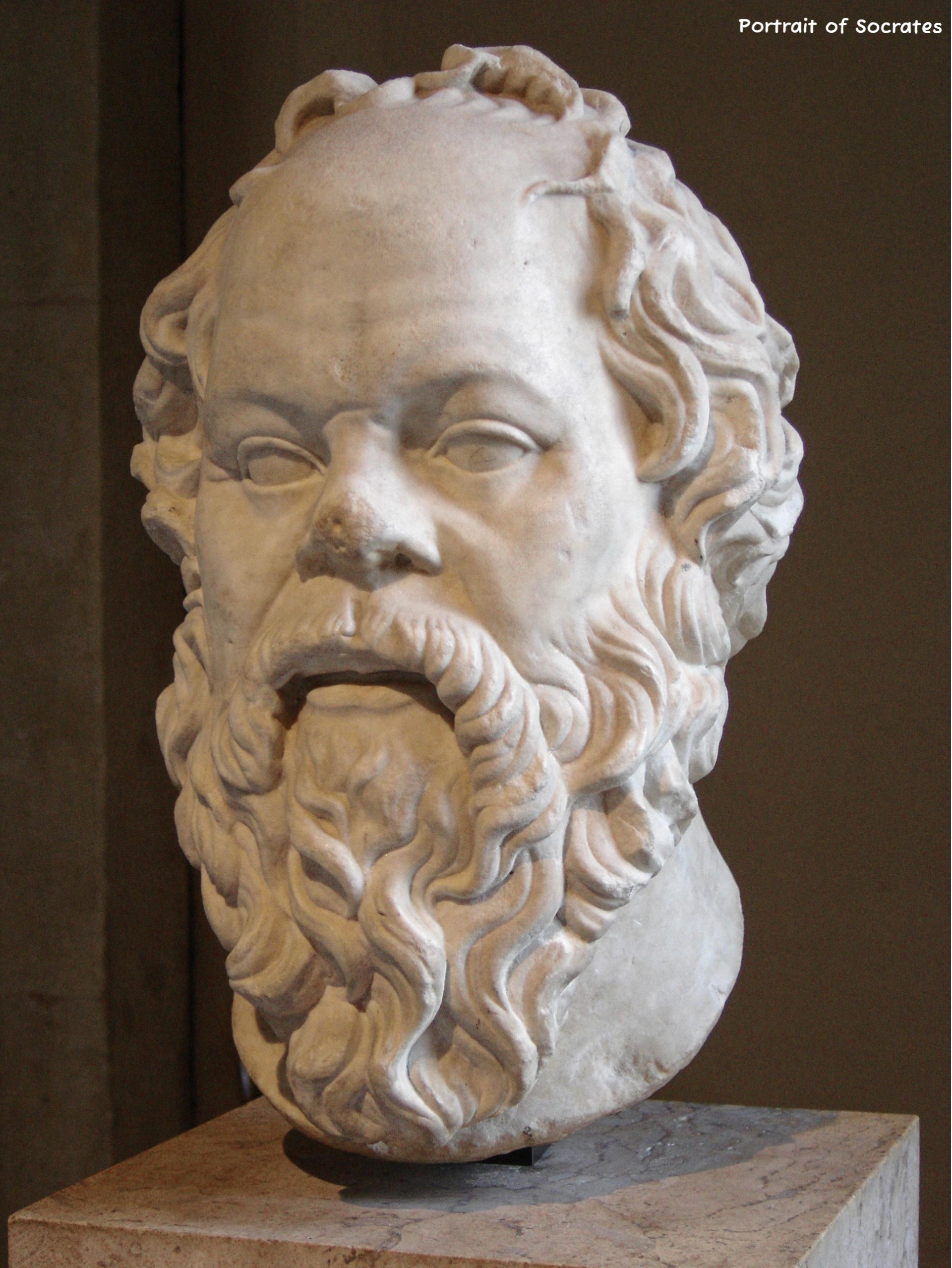
5. Greek art
Study the pursuit of humanistic harmony, proportion, and balance across the Geometric, Archaic, Classical, and Hellenistic periods.
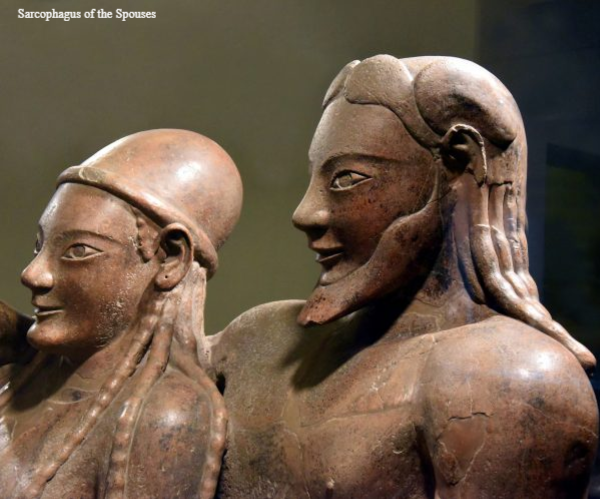
6. Etruscan art
Discover the vibrant tomb frescoes, terracotta sculpture, and distinct funerary traditions of pre-Roman central Italy.
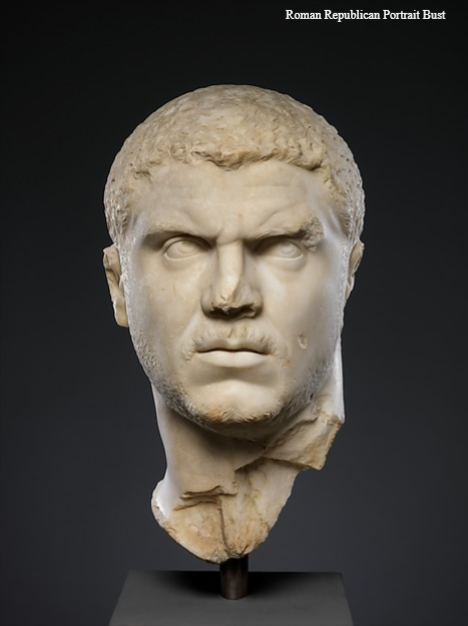
7. Roman art
Investigate Roman engineering, portrait realism, and imperial monuments that redefined public architecture across the empire.
Create Your Own Website With Webador