The art of prehistory
Historical context: survival, ritual, and settlement
Prehistory is the period of human history before the invention of writing. Since writing developed at different times in different parts of the world, prehistory did not end everywhere at the same moment. The study of prehistoric art helps us understand how early humans lived, what they considered important, and how they understood the world around them.
Prehistory is often divided according to the materials people used to make tools: the Stone Age and the Metal Age. The Stone Age is further divided into the Paleolithic, Mesolithic, and Neolithic periods.


Paleolithic
Old Stone Age
People mainly hunted animals, gathered plants and moved in search of food and shelter.

Mesolithic
Middle Stone Age
A transitional period when some communities began staying in one place for longer.

Neolithic
New Stone Age
Agriculture, animal husbandry, pottery and permanent settlements became increasingly important.

Metal age
Copper, Bronze and Iron Ages
People worked with metals to make tools, weapons, ornaments and ceremonial objects.
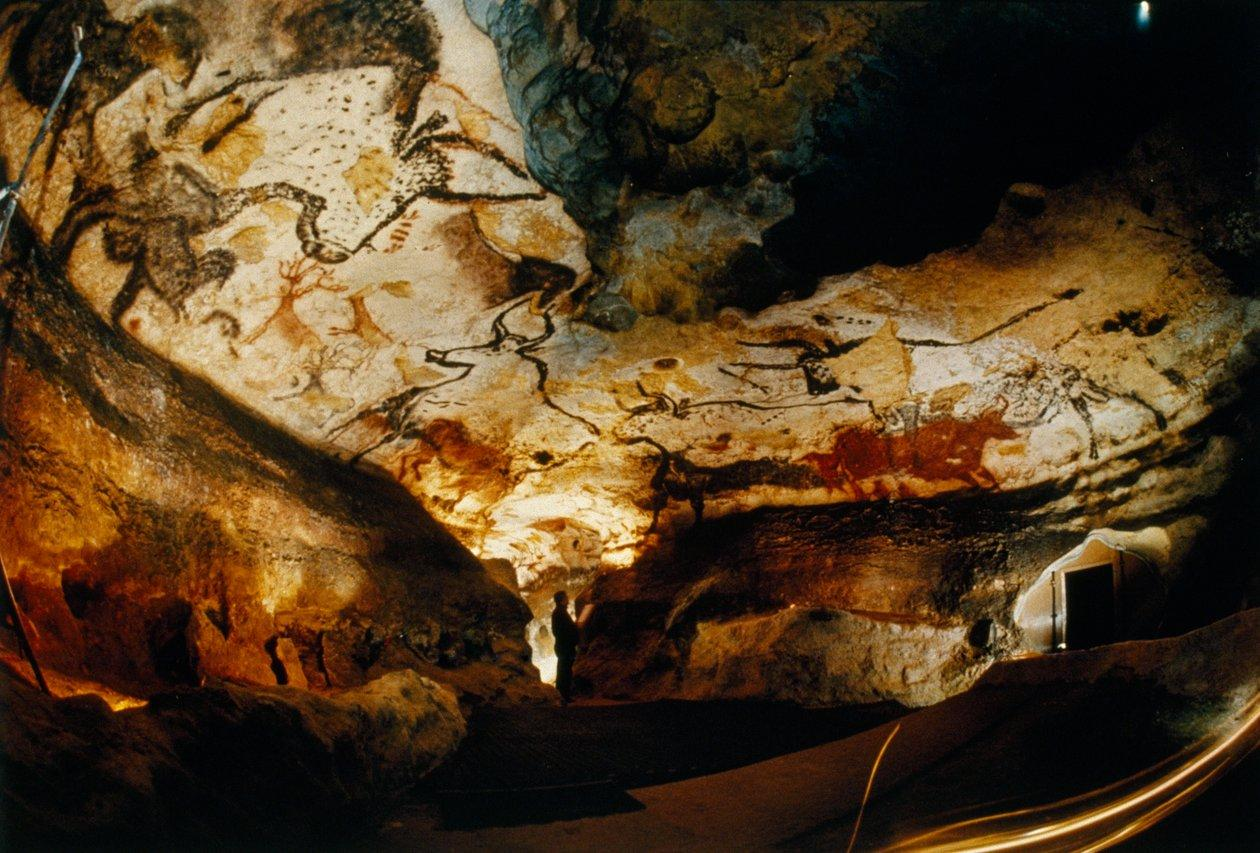
Art of the Paleolithic Period
During the Paleolithic (Old Stone Age), people lived mainly by hunting animals and gathering plants. They moved from place to place in search of food and shelter. They made tools from stone, bone, and other natural materials.
Some of the earliest known works of art were created during the Paleolithic period. They include paintings on cave walls, small sculptures, and objects carved from bone or antler.
Cave Paintings
Prehistoric cave paintings have been discovered in several parts of Europe, especially in present-day France and Spain. Artists often represented animals such as bison, horses, and bulls. They used natural pigments to create images on cave walls, sometimes taking advantage of the shape of the rock to make the animals appear more lifelike.
One important example is the group of horses in Chauvet Cave in France, created approximately 28,000 BCE. The animals are represented with considerable attention to their forms and movement.
Another famous example is the Wounded Bison in Altamira Cave in Spain, dating to approximately 15,000–10,000 BCE. The artist used the natural shape of the rock and variations in colour to give the animal a sense of volume.
The exact purpose of cave paintings is still uncertain. They may have been connected with rituals, spiritual beliefs, or hopes for successful hunting, but these interpretations cannot be confirmed with certainty.
Small Sculptures and Figurines
Paleolithic artists also created small sculptures from materials such as soft stone, clay, ivory, and bone. Some figurines represent female bodies, with particular emphasis on the breasts, abdomen, and hips. They are often called Venus figurines, although we do not know what their makers called them or precisely what they meant.
These objects show that prehistoric art was not limited to images of animals. Human figures were also important subjects.
Venus of Willendorf
Present-day Austria, c. 25,000–20,000 BCE
Limestone, approximately 11 cm high.
The figurine is one of the best-known examples of Paleolithic sculpture. Its exaggerated body features may have been connected with fertility or ideas about survival, but its exact meaning remains uncertain.

Mesolithic Art
The Mesolithic period (Middle Stone Age) was a transitional stage between the mobile hunter-gatherer communities of the Paleolithic and the more settled communities of the Neolithic. The pace of change varied from region to region. Some communities began staying in one place for longer periods and developed new ways of obtaining food.
Lepenski Vir
Lepenski Vir is an important prehistoric site on the right bank of the Danube, near Donji Milanovac in present-day Serbia. Dating to around 6000 BCE, it is known for its distinctive stone sculptures with large eyes and broad, fish-like faces.
Fishing played an important role in the lives of the people who lived there. Some researchers have suggested that the sculptures’ unusual forms may be connected with the river or animals, but their exact meaning remains unknown.
Lepenski Vir demonstrates the artistic creativity of prehistoric communities in the Balkans.

Neolithic Art
The Neolithic period brought major changes to human life. Agriculture and animal husbandry allowed many communities to settle permanently. People built houses, made pottery, improved their tools, and created new types of objects and structures for everyday life and possible religious activities.
Jericho
Jericho was one of the early settled communities. Around 7000 BCE, its inhabitants built a large stone tower, an example of early monumental construction.
Plastered human skulls discovered at the site suggest that the dead may have held a special place in the community’s beliefs and rituals.
Çatalhöyük
Çatalhöyük, in present-day Turkey, was a densely populated Neolithic settlement. Houses stood close together and were often entered through openings in their roofs.
Wall paintings and images of animals and hunting show that artistic expression was part of life within the settlement. Art was not limited to separate objects but also appeared in domestic and possibly ritual spaces.
Megalithic Architecture
During the Neolithic period, people built monuments using enormous stones called megaliths, a word meaning “large stone.” These structures required the cooperation and collective effort of many people.
The purposes of megalithic monuments varied and are not always fully understood. Some were associated with burials and ceremonies, while others may have had additional social or symbolic significance.
Stonehenge
Stonehenge is a famous prehistoric monument near Salisbury in England. Its construction began around 3000 BCE, and the monument was developed in several stages, including the arrangement of large stones.
Building Stonehenge required considerable planning and the cooperation of a community. Although its exact purpose remains uncertain, it demonstrates the organizational abilities and monumental architecture of prehistoric societies.
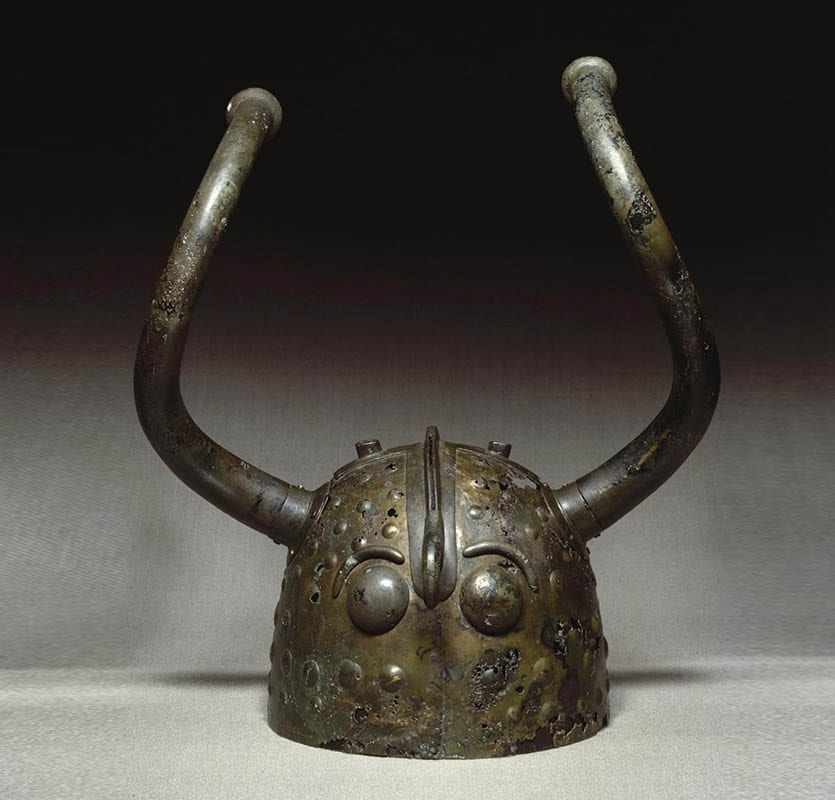
Art of the Metal age
The Metal Age began when people started using metals to make tools, weapons, ornaments, and other objects. Copper was used first, followed by bronze, usually made by combining copper and tin. Iron became important later. The chronology of these developments varied from region to region.
Metalworking introduced new techniques and materials, while pottery and metal objects were often decorated with geometric patterns, repeated lines, spirals, and stylized forms.
The Dupljaja Chariot
The Dupljaja Chariot is a clay object dating to around 1200 BCE, discovered near Vršac in present-day Serbia. It represents a figure in a chariot pulled by three long-necked birds.
Some interpretations connect the object with solar beliefs, but its exact meaning and the identity of the figure remain uncertain. It demonstrates the craftsmanship, decorative techniques, and possible symbolic significance of objects created during the Metal Age.

Refresh Your Memory
Essential vocabulary:
- Prehistory: The period of human history before the invention of writing.
- Paleolithic: The Old Stone Age, when people lived mainly by hunting and gathering.
- Mesolithic: The Middle Stone Age, a transitional period in some regions.
- Neolithic: The New Stone Age, associated with agriculture, animal husbandry, and permanent settlements.
- Metal Age: Periods when copper, bronze, and iron became important materials.
- Venus figurines: Small prehistoric figurines of female bodies whose exact purpose is unknown.
- Megalith: A large stone used to build a monument or structure.
Knowledge check
Test your mastery of prehistoric art history. Click on each card to reveal the key concepts, archaeological sites, and artistic milestones from this lesson.
Create Your Own Website With Webador